

Understanding What an Accident Really Means
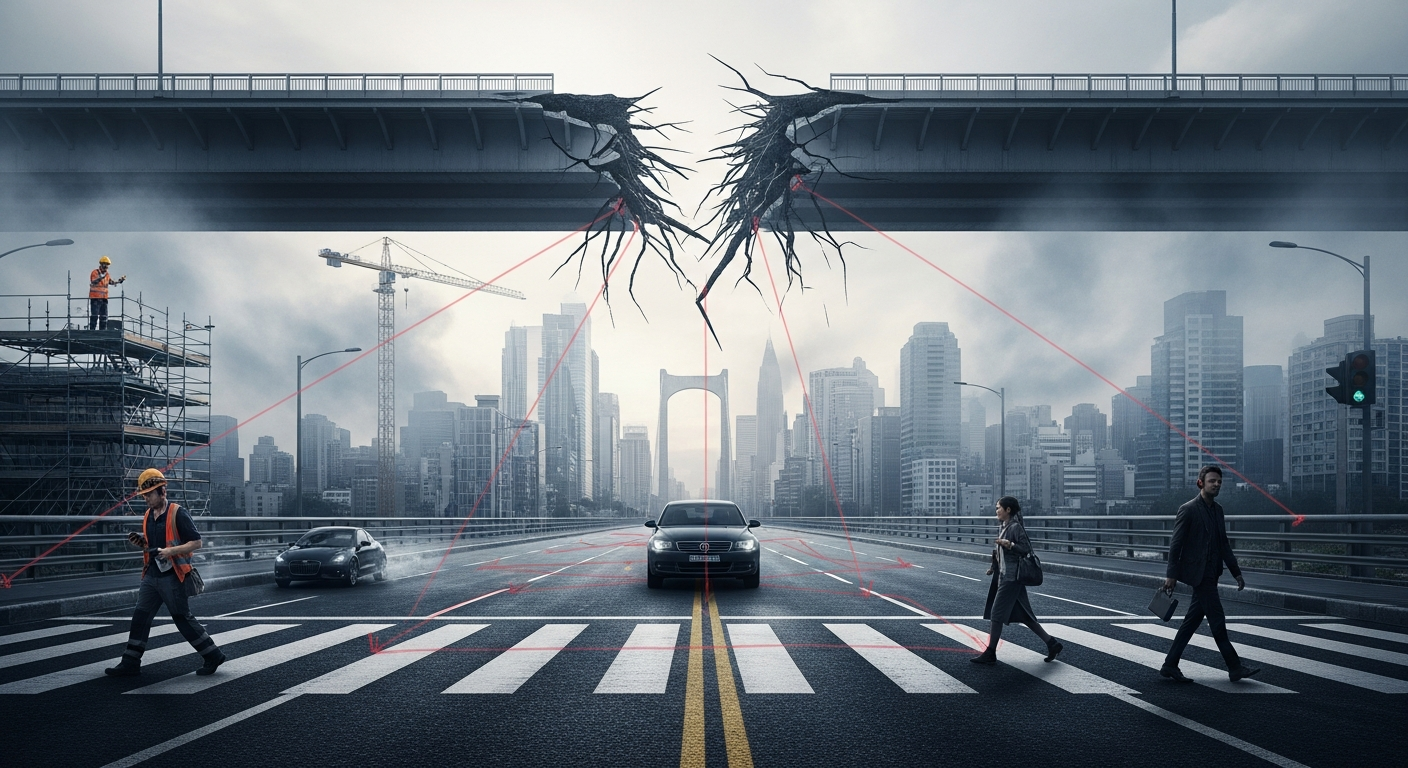
Accidents cause injury, damage, or loss when they happen unexpectedly. Usually people think accidents happen because of bad luck, but reality tells a different story. Many accidents are preventable because of mistakes, unsafe behavior, lack of awareness, or poor planning. Think of accidents like bridge cracks. While the collapse may happen suddenly, warning signs often existed before it happened.
It’s crazy how fast things move in the modern world. People rush to work, stare at their phones while driving, multitask constantly, and ignore safety procedures to save time. Accidents are more likely to happen in this environment. A few seconds of distraction can have deadly consequences in crowded cities. Although technology has improved life in many ways, it has also introduced new dangers. Checking notifications while driving, working while fatigued, and crossing the street with headphones on are all examples of modern risks.
Difference Between Accidents and Negligence
Accidents aren’t always unavoidable. There are some incidents that happen because people or organizations don’t follow safety rules. Negligence is when someone acts carelessly and puts themselves in danger. Driving drunk, ignoring traffic signs, or not maintaining industrial equipment aren’t just accidents. They’re often avoidable decisions that put others at risk.
There’s an increasing recognition of this distinction in legal systems around the world. Insurance companies, courts, and governments investigate whether an incident was truly accidental or reckless. It’s important because accountability leads to safer habits and stronger regulations. The spread of dangerous behavior is like wildfire without accountability.
Why Accidents Happen So Frequently
We’re all flawed. We tend to make mistakes when we’re tired, stressed, emotional, or overconfident. A driver may think, “I’ll answer this text quickly,” but that single distraction can kill multiple people. It’s easy for a construction worker to skip protective gear because it feels uncomfortable, only to suffer a serious injury later.
According to the WHO, road traffic injuries are the leading cause of death for kids 5 to 29. Low- and middle-income countries have the highest rates despite having fewer cars. Accident rates are influenced dramatically by infrastructure quality, enforcement, and public awareness.
Major Types of Accidents Around the World
There are many types of accidents, and each presents its own challenges. Some happen in public spaces, while others happen at home or work. By understanding these categories, society can build targeted prevention strategies instead of generic safety advice.
Road traffic accidents.
The most visible and deadly category is road accidents. Roads are getting crowded with cars, motorcycles, buses, trucks, bicycles, and pedestrians. Speeding, distracted driving, alcohol consumption, and poor infrastructure all contribute to collisions. Globally, over half of road deaths involve vulnerable road users like pedestrians, cyclists, and motorcyclists.
The problem gets worse in many developing regions because of weak traffic enforcement. It’s dangerous when vehicles are overloaded, roads aren’t maintained, and emergency medical services aren’t available. Think about driving on a narrow road filled with potholes while multiple cars try to overtake. In many parts of the world, that’s the case.
There’s a growing concern over pedestrian and cyclist deaths in countries like Ireland, India, and the United Kingdom. To improve safety, cities are experimenting with low-traffic zones and reduced speed limits. More than one third of injuries and deaths were reduced in low-traffic neighborhoods in London.
Workplace Accidents
Construction sites, factories, warehouses, farms, and offices all carry occupational risks. The most common workplace injuries are caused by heavy machinery, electrical hazards, chemical exposure, and falls. Due to constantly changing environments, construction workers face high risks.
There are a lot of workplace accidents because people ignore safety procedures. It’s not uncommon for employers to prioritize productivity over safety, while employees might underestimate danger due to routine familiarity. It’s like walking across thin ice every day without falling. It doesn’t take long for confidence to replace caution, and disaster strikes.
Home and domestic accidents.
Home is often considered the safest place, but millions of people get hurt there every year. It’s easy to slip, fall, burn, poison, and get an electric shock. Due to their weaker physical stability or lack of awareness, children and the elderly are especially vulnerable.
You can make a huge difference with simple household habits. Keep medicine locked away, clean wet floors right away, and maintain electrical wiring to prevent major tragedies. There’s no room for casualness when it comes to home safety.
Industrial and Construction Accidents
There’s no denying that industrial disasters can affect entire communities. Massive casualties and environmental damage can result from chemical leaks, explosions, fires, and structural collapses. Accidents like these often expose weaknesses in regulation, oversight, and emergency planning.
The construction site is particularly dangerous because workers deal with heights, cranes, sharp tools, and unstable structures every day. As if dominoes were falling, a single equipment failure could set off a chain reaction. This is why proper training, inspections, and protective equipment are so important.
Global Statistics and Trends in 2026
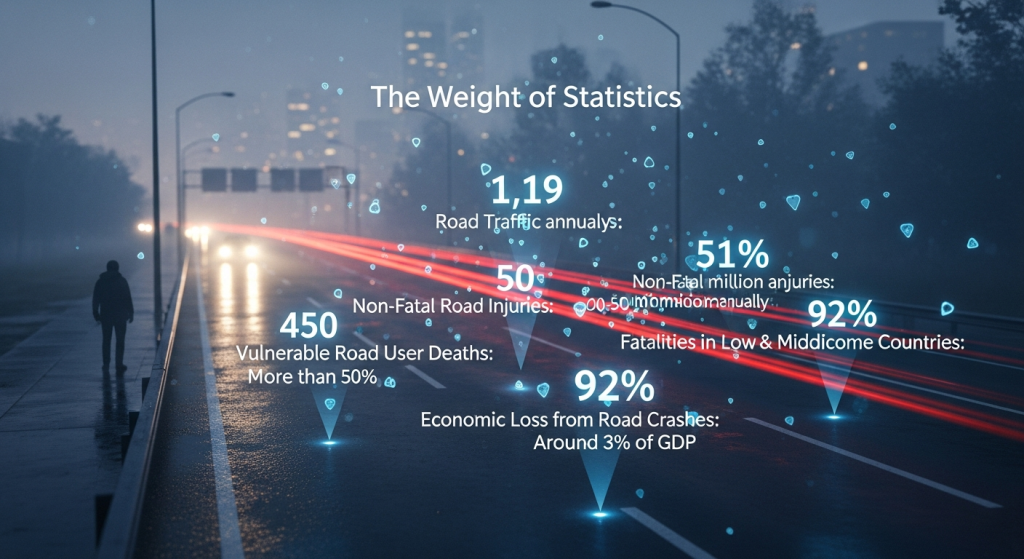
It’s shocking how many accidents happen.
Statistics represent real life stories about pain, loss, and survival.
To identify patterns and improve prevention strategies, global agencies collect data.
| Accident Category | Estimated Global Impact |
|---|---|
| Road Traffic Deaths | 1.19 million annually |
| Non-Fatal Road Injuries | 20–50 million annually |
| Vulnerable Road User Deaths | More than 50% |
| Fatalities in Low & Middle-Income Countries | 92% |
| Economic Loss from Road Crashes | Around 3% of GDP |
Source: WHO Global Road Safety Data 2025–2026
Current WHO Data on Road Injuries
Injuries caused by road traffic are preventable, says the WHO. In the past few years, governments worldwide have promoted the “Safe System Approach,” which acknowledges that humans make mistakes, so roads, vehicles, and policies should minimize the consequences.
The conversation changes completely when you adopt this philosophy. Rather than blaming individuals alone, societies ask deeper questions. Do roads have safety features? Do you think speed limits are realistic? Is the emergency service fast enough? Are vehicles equipped with enough protection? It’s important to ask these questions because safety depends on everyone working together.
Rising urban risks”
Both opportunities and dangers come with urbanization. Traffic congestion, pedestrian movement, and infrastructure pressure increase in crowded cities. Modern transportation systems are complicated by electric scooters, ride-sharing apps, delivery motorcycles, and autonomous driving.
The number of pedestrian deaths in the United States increased dramatically from 2010 to 2023, according to investigative reporting. Highways with wide shoulders and poor pedestrian infrastructure are to blame for a lot of fatalities. The survival rate of cities is directly influenced by city planning.
The Main Causes of Accidents
It’s rare for an accident to be the result of a single factor. Most incidents have multiple overlapping causes. Community members can develop effective prevention methods instead of temporary fixes when they understand these root causes.
Human error
Worldwide, human error is the biggest cause of accidents. People get distracted, impatient, emotional, or overconfident. There’s a reason drivers speed when they’re late. It’s easy for workers to ignore procedures because they feel experienced. Because routines become familiar, parents don’t think about safety measures.
Brains are powerful, but they’re not perfect. Reaction time gets slower when you’re stressed. Alcohol intoxication affects judgment the same way sleep deprivation does. Financial pressure, emotional arguments, and mental exhaustion all increase accident risk. Humans aren’t machines, and that vulnerability needs to be acknowledged.
Distracted Driving and Technology
Smartphones are one of the biggest threats to road safety today. According to WHO, drivers who use mobile phones are four times more likely to crash. It’s even possible to lose concentration when you’re using hands-free devices.
Like fire, technology is everywhere. You can use it wisely to make your life better; you can use it carelessly to ruin it. GPS systems, music apps, notifications, and social media all compete for your attention. While looking away from the road, a driver traveling at highway speed can cover the length of a football field in just a few seconds.
Poor infrastructure
The design of roads affects accident rates a lot. Hazardous situations happen when intersections are unsafe, lighting isn’t good, pedestrian crossings aren’t there, potholes aren’t fixed, and signs aren’t up to code. A lot of countries have underdeveloped emergency response systems, so there are more deaths after crashes.
A study from London showed that redesigned low-traffic neighborhoods reduced injuries and deaths. The proof is in the pudding that infrastructure improvements can save lives.
Alcohol and Substance Abuse
The effects of alcohol and drugs are impaired coordination, judgment, and reaction speed. The risk of a crash increases even with small amounts. In spite of stricter laws and awareness campaigns, impaired driving still happens everywhere.
It’s common for people to think they’re “good enough” to drive after drinking. Mindsets like that are dangerously misleading. Alcohol lowers self-awareness, so impaired people don’t recognize how impaired they really are.
Psychological and Emotional Effects of Accidents

A physical injury heals over time, but an emotional wound can last a lifetime. Anxiety, depression, nightmares, and post-traumatic stress disorder (PTSD) are common among accident survivors. Losing a loved one can be emotionally draining for family members as well.
Trauma changes people’s worldviews. You might never want to drive again if you’ve been in a serious crash. Some survivors replay the event like a movie in their heads. Recovery from emotional pain takes longer than recovery from physical pain.
Trauma and PTSD
When you’ve been through something life-threatening, it’s possible to develop PTSD. A flashback, a panic attack, numbness, insomnia, and hypervigilance are all symptoms. These symptoms can affect your work, relationships, and everyday life if you don’t get support.
Mental health support is essential after an accident. With counseling, therapy, and social support, survivors can regain confidence and process trauma. Society tends to ignore invisible psychological injuries while focusing on broken bones.
Family and Social Impact
When there’s an accident, it affects the whole family. There’s a lot of stress on households because of medical bills, caregiving, and emotional stress. Having lost a parent can make kids struggle academically. When an injured person can’t work, spouses may face financial uncertainty.
Communities are also affected. Whenever there’s a fatal accident, grief spreads through neighborhoods, schools, and workplaces. Whenever something tragic happens, it ripples outward.
Economic Impact of Accidents
There’s a huge financial burden associated with accidents. Many countries lose about 3% of their GDP due to road crashes, according to the WHO. Losses include healthcare expenses, property damage, legal costs, insurance claims, and lost productivity.
Medical expenses
Financial strain comes from emergency treatment, surgeries, rehab, medication, and long-term care. Accident victims may face devastating debt in countries with weak healthcare systems. In some cases, families lose savings they’ve accumulated over decades.
Productivity loss
Businesses lose valuable skills and labor when workers get hurt or killed. Families lose money. Productivity drops in economies. Hospitals and insurance companies don’t have to worry about the consequences.
The number of accident victims among young adults is high around the world. Societies lose both human potential and economic contribution when these people are in their prime.
How Governments Combat Accidents
New strategies are being introduced by governments around the world to reduce accidents. The number of road safety campaigns, stricter laws, better infrastructure, and smart technologies is increasing.
Road Safety Campaigns
People are being educated about speeding, seatbelts, helmet safety, and distracted driving through public awareness campaigns. The WHO promotes safer walking and cycling, especially in cities.
Several countries use graphic ads showing real crash consequences to shock viewers into being safer. These campaigns are effective because they make risks feel real instead of abstract.
Smart Technology and AI Solutions
We’re transforming accident prevention with artificial intelligence. The latest cars have automatic emergency braking, lane departure warnings, collision detection, and fatigue monitoring. Even Bangladeshi researchers have developed AI-powered systems for collecting and analyzing accident data.
Although debates about reliability and ethics continue about autonomous driving technology, it may eventually reduce human-error crashes. There’s no magic cure for every problem, but technology can be a powerful preventative tool.
Accident Prevention Strategies
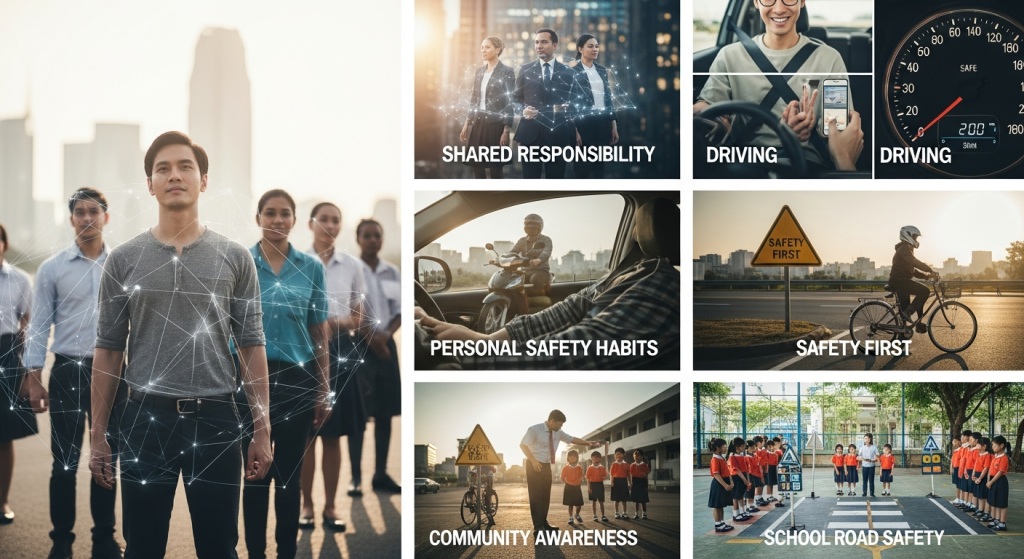
Accidents can be prevented by sharing responsibility. Governments, businesses, schools, communities, and individuals all play a part. It’s a culture built through consistent habits that makes safety possible.
Personal Safety Habits
You can save lives by doing these simple things:
- Always wear your seatbelt
- Keep your phone away from the wheel
- Keep your speed down
- Helmets are a must on bikes and motorcycles
- Before you drive, get enough sleep
- Make sure you don’t drive under the influence of alcohol or drugs
- Regularly maintain your vehicles and equipment
They may seem basic, but they drastically reduce risk. Safety habits are like invisible armor. Even if you don’t see them every day, they protect you when danger strikes.
Community awareness
Through education programs, safer infrastructure, and stronger enforcement, communities can improve safety. From a young age, schools should teach road safety. Short-term profits shouldn’t matter more to employers than worker protection.
Neighborhood initiatives like better lighting, pedestrian crossings, speed bumps, and public awareness events also make a big difference. When safety becomes a shared value instead of an individual responsibility, prevention works.
The Future of Accident Prevention
Technology, education, and smarter urban planning will likely be the key to accident prevention in the future. The next decade may see autonomous vehicles, AI traffic systems, smart infrastructure, and wearable health monitors reduce risks dramatically.
It’s still not possible to replace human responsibility completely with technology. A good system depends on ethical behavior, awareness, and cooperation. It starts with the choices people make every day. Multiple lives can be saved by slowing down, wearing a helmet, or avoiding distractions.
Accidents shouldn’t just be accepted as inevitable parts of life, say experts. Identifyable risks and preventable factors are involved in most serious incidents. Societies can reduce deaths, injuries, and suffering by addressing those factors collectively.
Conclusion
There’s no denying that accidents are one of the biggest challenges in public health and safety today. Each year, millions of people and families are affected by accidents, from road crashes to workplace injuries. They can last a lifetime, emotionally, physically, and financially.
WHO and other global organizations keep pushing for safer systems, stronger laws, and better public awareness because most accidents can be avoided. Risks are rising, especially in rapidly urbanizing regions, because of human error, distracted driving, and poor infrastructure.
It’s going to take cooperation between governments, businesses, communities, and individuals. Together, safer roads, smarter technology, stronger enforcement, and better education can reduce accidents. Every preventative action matters because behind every statistic is a human life.
FAQs
1. What is the leading cause of road accidents worldwide?
The most common cause of road accidents is human error. Factors like speeding, distracted driving, fatigue, drunk driving, and reckless behavior contribute to accidents.
2. Why are road accidents higher in low-income countries?
There are a lot of factors that contribute to high death rates in low- and middle-income countries, such as weak infrastructure, poor traffic law enforcement, unsafe vehicles, and limited emergency medical services.
3. How can technology reduce accidents?
We can reduce human error and improve reaction times using modern technologies like automatic braking, lane warnings, and AI traffic management.
4. What psychological effects can accidents cause?
Accidents can cause anxiety, depression, trauma, PTSD, sleep disorders, and fear-related behaviors. A person’s emotional recovery can take months or years depending on the severity of the incident.
5. What are the most efficient ways to prevent accidents?
The best prevention strategies are following traffic laws, avoiding distractions, wearing protective gear, maintaining vehicles properly, improving infrastructure, and spreading awareness.