


Department of Public Safety
Introduction
Let’s say it’s 3 AM. Your neighborhood just got a tornado warning. Suddenly, your phone screams with an urgent alert telling you to take shelter. I didn’t get that alert out of nowhere. Your local 911 dispatchers, state-level public safety officials, and sophisticated cloud-based mass notification platforms like CodeRED are all involved in that one notification.
The Public Safety isn’t just another government agency. Across the country, it’s the backbone of community protection. Those are the people who make sure you get severe weather alerts. During blizzards, they keep highways safe. When things go wrong – a chemical spill, a missing child, an active shooter – they’re prepared.
Here’s what you need to know about the Public Safety, how real-time alerts work, and why you should sign up. You’ll learn not just how the system works, but also how to use it to keep yourself and your family safe.
What Is the Department of Public Safety?
Let’s start with the basics.
The Department of Public Safety (DPS) isn’t one agency.
Instead, it’s a term for state-level organizations that protect citizens and coordinate emergency response.
While the federal government has its own big guns, like DHS and FEMA, your state’s DPS is the one on the ground every day.
State-Level vs. Federal Public Safety Agencies
| Agency Level | Examples | Primary Responsibilities |
|---|---|---|
| Federal | DHS, FEMA, Coast Guard | National emergencies, terrorism, large-scale disasters |
| State | Department of Public Safety | Highway patrol, emergency management, driver services |
| Local | City police, sheriff’s offices | Day-to-day law enforcement, 911 response |
Most state DPS agencies include the following divisions:
- State Troopers / Highway Patrol – They keep interstate highways and rural roads safe.
- Emergency Management – The planners who handle hurricanes, wildfires, floods, and earthquakes.
- Criminal Investigations – Forensic labs, detective work, and crime scene support for local agencies.
- Driver and Vehicle Services – Yes, the DMV. Someone has to process license renewals.
- Homeland Security (state level) – Coordinates with federal agencies like DHS and the Coast Guard.
Core Responsibilities of DPS
The Department of Public Safety is responsible for:
- Real-time emergency alerts – Sending tornado warnings, flash flood alerts, and AMBER Alerts.
- Highway safety – Monitoring traffic, responding to crashes, and clearing road hazards.
- Disaster response coordination – Working with local fire, police, and EMS during major incidents.
- Public information – Sharing accurate, timely information through websites, social media, and press briefings.
Without DPS, emergency alerts would be slow, disorganized, and often missed entirely.
How Real-Time Emergency Alerts Work in the USA
There was a time when emergency notifications were a mess. There were a lot of counties that used outdated systems like HyperReach, which worked but had bad cellular triangulation.
Things are much better now.
From HyperReach to CodeRED – A Major Upgrade
North Carolina’s Iredell County switched from HyperReach to CodeRED in February 2025. It wasn’t a minor update. The way public safety works was fundamentally changed. In Hurricane Helene, Buncombe County used CodeRED to alert residents – a storm that caused catastrophic flooding and massive evacuations.
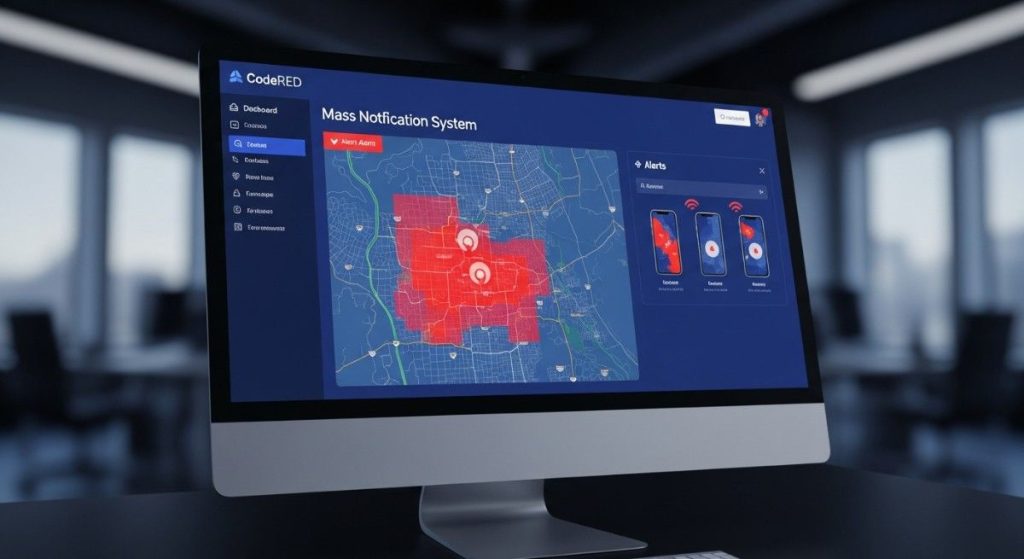
CodeRED is now used by over 10,000 counties, cities, and towns. The cloud-based system can send thousands of alerts per second to landlines, mobile phones, email, and even social media.
Types of Alerts You Can Receive
Register for your local Department of Public Safety’s alert system and you’ll get notifications about:
- Weather emergencies, like tornadoes, hurricanes, flash floods, severe thunderstorms, and blizzards
- Hazardous material spills like chemical leaks, industrial accidents, and gas leaks
- AMBER Alerts – Children who are missing or abducted
- Acts of terrorism or violence like active shooters and bomb threats
- Public health emergencies – contaminated water, disease outbreaks, water boil warnings
- Road closures, bridge collapses, power outages
Some systems also allow you to opt into automated weather warnings from the National Weather Service. When certain conditions are met, the alerts go out automatically – no need to wait for a human to send them.
CodeRED: The Most Widely Used Mass Notification Platform
CodeRED isn’t the only system out there – Everbridge, Rave Alert, and Smart911 are also used – but it’s the most popular. In an emergency, CodeRED reaches more than 10,000 jurisdictions.
How to Sign Up for CodeRED Alerts
The most important thing you’ll read today: Most alert systems require you to sign up manually. You won’t get hyper-local alerts automatically unless you register.
Steps to register:
- Visit your county or state’s Department of Public Safety.
- Check out “Emergency Alerts,” “CodeRED,” or “Sign Up for Notifications.”
- Please enter your name, address, and phone number.
- Please add your email address and any additional family members.
- Get weather alerts, public health alerts, infrastructure alerts, etc.
- Get a text or email confirmation of your registration.
You’ll start getting alerts right away once you’re registered.
Is Your Personal Data Safe with CodeRED?
Short answer: Yes.
CodingRED is a FedRAMP Authorized platform. A federal initiative has thoroughly vetted the security of the system. Information about you – like your name, address, phone number – isn’t sold to advertisers.
The majority of counties explicitly say: “We don’t share your info with third parties.”
If you move away or get tired of the alerts, you can:
- Text “STOP” to the message number
- Log into your account and deactivate notifications
- Adjust your preferences to receive fewer alerts
The Role of the Department of Homeland Security (DHS)
The Department of Public Safety (state level) is easy to confuse with the Department of Homeland Security (federal level). Even though they’re different, they work together when it comes to emergencies.
How DPS and DHS Work Together
During a national emergency or disaster, the DHS Office of Public Affairs serves as the lead public information office. When something big happens – like a Category 5 hurricane or a terrorist attack – DHS coordinates messaging while state DPS agencies handle on-the-ground response.
It’s responsible for “overall strategy, structure, organization, and presentation of DHS websites and digital services.” It’s their job to make sure you can find useful information during a crisis instead of getting lost in government jargon.
DHS Content Guidelines for Clear Communication
I’ve got something refreshing for you. There are actual content guidelines at DHS, and they prioritize clarity over bureaucracy. Content providers should follow their official standards:
- Put important content at the front – You shouldn’t have to scroll past five paragraphs to find evacuation instructions.
- Cut down the text – people skim. Emergency situations don’t allow them to read long paragraphs.
- Be direct – Avoid buzzwords, jargon, and corporate nonsense.
- Maximum 1.5 screens of text per page – This forces writers to prioritize.
The DHS guideline stands out: “If you need a table of contents at the top, you have too much content.” That’s brutally honest advice most government sites ignore.
Real-Time Web Resources You Should Bookmark Today
Don’t wait for an emergency to start paying attention. Here are some resources you should bookmark:
1. Your State Department of Public Safety Website
There’s one in every state. Google “[Your State] Department of Public Safety” and bookmark it. Look for the navigation links:
- Alerts for emergencies
- Incidents right now
- Here’s the traffic
- Here are some news releases
2. CodeRED or Your Local Mass Notification System
It doesn’t matter if your county uses CodeRED, Everbridge, Rave Alert, or Smart911. It’s free to register. Sign up for alerts if your local DPS offers them.
3. The National Weather Service (weather.gov)
You don’t have to be a weather enthusiast to use the National Weather Service. Watches, warnings, and advisories go straight into DPS alert systems. Sign up for NWS alerts on their website or app.
4. FEMA
FEMA’s website has a section about current disasters, emergency alerts, and preparedness guides. The company also has a mobile app that sends you weather alerts in real-time.
5. Social Media
On X (formerly Twitter) and Facebook, real-time updates beat official channels by minutes during Hurricane Helene. Watch out for your local Department of Public Safety, county emergency management office, and National Weather Service.
However, make sure you verify the info before you panic or share it. It’s fast, but not always accurate on social media.
Frequently Asked Questions (FAQ)
Q1: Is the Department of Public Safety the same as the police?
No. DPS agencies (like state troopers) have statewide jurisdiction and handle highway patrol, emergency management, and driver services. Local police handle city-level law enforcement and 911 response. They work together but have different missions.
Q2: Are mass notification systems like CodeRED really free for residents?
Yes. Platforms are paid for by counties and cities. If you get text messages from your cell phone carrier, you might have to pay a small fee, but the alert service itself is free.
Q3: Can I opt out of alerts at anytime?
Yes. To get fewer alerts, you can text “STOP” to the alert number, log into your account and deactivate notifications, or simply adjust your preferences.
Q4: What’s the difference between CodeRED and AMBER Alerts?
CodeRED is a mass notification system for weather, hazmat, public health, and infrastructure emergencies. AMBER Alerts are specific to missing and abducted children and are distributed through a separate federal system. Both can be received on the same phone.
Q5: Can I register multiple family members for alerts?
Yes. Many systems let you add family members – especially useful if you have relatives who frequent your area or if multiple people in your household want alerts.
Q6: Will these emergency alerts replace 911?
Never. Notification systems let you know when there’s a tornado or a road closure. Always call 911 if you’re having an emergency – a heart attack, a fire, a crime in progress.
Q7: Is my personal data safe with CodeRED?
Yes. CodeRED is a FedRAMP Authorized platform with strict security standards. Your information is not sold or shared for marketing purposes.
Conclusion – Taking Two Minutes Could Save Your Life
There’s only one reason the Department of Public Safety exists: to keep you and your family safe. But there’s a catch – you have to participate for it to work.

It takes about two minutes to sign up for emergency alerts. That’s all. Enter your name, address, and phone number in two minutes. You have two minutes to pick which alerts you want. When a tornado hits at 3 AM or a chemical spill closes the highway, two minutes could save your life.
Technology has improved a lot. The cloud-based platforms like CodeRED are faster, more accurate, and more secure than anything we had ten years ago. Instead of drowning citizens in bureaucratic nonsense, government agencies are finally learning to communicate clearly. Information reaches you faster than ever thanks to partnerships between DPS, DHS, the Coast Guard, and the National Weather Service.
If you don’t sign up, none of that matters.
Here’s your action item: Go to your state’s Department of Public Safety website. Go to the emergency alerts page. Get your phone number registered. Once you get your first alert – probably about a severe storm or a road closure – you’ll know how it works.
How about being honest? You might even feel safer knowing someone’s watching out for you.