

What Is Fashion Blogging and Why Is It Still Growing?
The fashion blogging world has changed a lot in the past decade. From simple online journals where people shared outfit photos and style thoughts, it’s evolved into a billion-dollar industry. The fashion blogger of today isn’t just a writer. These people are photographers, marketers, influencers, brand strategists, entrepreneurs, and trend forecasters all rolled into one. Multiple revenue streams can make a fashion blog successful, including influencing buying decisions, building loyal communities, and generating significant income.
People love style inspiration, and that’s why fashion blogging continues to thrive. Millions of people search every day for outfit ideas, seasonal trends, fashion advice, product reviews, and styling tips. As opposed to traditional fashion magazines, blogs offer a personal perspective. Rather than seeing unattainable runway looks, readers like to see how real people wear fashion in everyday life.
The fashion blogging industry has also adapted beautifully to changing digital trends. Blogs aren’t just about written content anymore. They mix videos, social media posts, newsletters, short-form content, live shopping experiences, and community engagement. Despite changes in technology and audience behavior, fashion blogging stays relevant.
Think of fashion blogging as a digital storefront. Bloggers display ideas, creativity, personality, and expertise instead of products. Fashion readers come to the store, but they stay because they connect with the blogger.
The Evolution from Personal Diaries to Digital Brands
Fashion blogs started as personal journals where people documented their outfits and fashion discoveries. Fashion blogs are becoming sophisticated businesses with professional teams, brand collaborations, and multiple income streams.
As social media platforms emerged, this evolution accelerated. YouTube, Instagram, TikTok, and Pinterest gave bloggers direct access to audiences. By building communities across multiple channels, fashion creators can enhance their personal brands instead of just depending on search engine traffic.
Why Fashion Content Continues to Attract Massive Audiences
It’s no secret that fashion is one of the most visually engaging industries. It’s hard to stay inspired when it comes to workwear, casual outfits, special events, travel wardrobes, and seasonal updates. The fashion content satisfies curiosity while helping readers express themselves.
Clothing is a natural form of communication for humans. Fashion blogs help readers understand trends, gain confidence, and make informed buying decisions. Many other content niches struggle to keep audience loyalty because of this emotional connection.
The Current State of Fashion Blogging in 2026
There’s been a remarkable growth in fashion blogging despite increased competition. Global fashion influencer marketing continues to expand at an impressive rate, according to recent industry reports. By 2034, analysts estimate the fashion influencer market will be worth $4.6 billion. According to other forecasts, social commerce and creator-led shopping will drive even more growth.
Creator commerce will be big in 2026. There’s more to fashion bloggers than just recommending stuff. It’s getting easier for them to participate in the buying process. Audiences can buy products directly from creator content using social shopping tools, creator storefronts, affiliate marketplaces, and integrated checkout systems. With this shift, brands have measurable results and new monetization opportunities.
According to creator marketing platforms, 73% of Gen Z consumers trust creators. It shows how big fashion bloggers are in today’s consumer ecosystem.
Market Growth and Industry Statistics
| Metric | Recent Data |
|---|---|
| Fashion Influencer Market Value (2024) | $1.7 Billion |
| Projected Value (2034) | $4.6 Billion |
| Forecast CAGR | 10.4% |
| Gen Z Consumers Influenced by Creators | 73% |
| Millennials Influenced by Creators | 57% |
These numbers demonstrate that fashion blogging remains a highly attractive industry for new creators entering the market.
The Rise of Creator Commerce
Bloggers are switching from banner ads to creator commerce ecosystems. Platforms let bloggers create personalized shopping experiences where followers can discover, evaluate, and buy products right from their content. The evolution of fashion blogging makes it more profitable and sustainable.
Choosing the Right Fashion Blogging niche
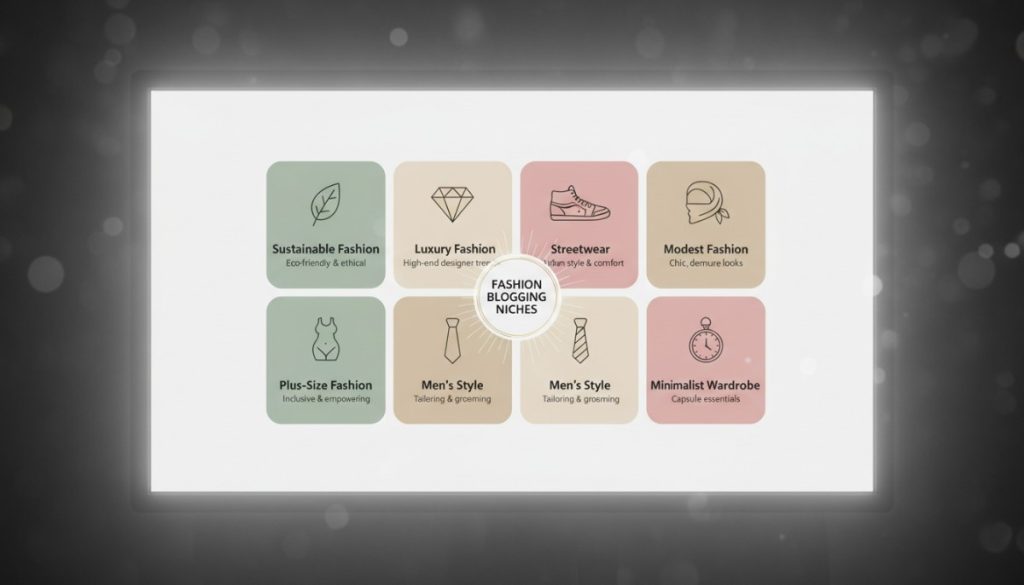
Trying to appeal to everyone is one of the biggest mistakes new fashion bloggers make. The fashion industry is huge, and audiences prefer specialists over generalists. Niche-focused content helps you stand out and engage your audience.
You can think of a niche as a compass for your content strategy. If you don’t have one, your blog may look inconsistent and struggle to build a following. Having a clear niche reinforces your expertise and builds audience trust.
There’s sustainable fashion, luxury fashion, streetwear, modest fashion, plus-size fashion, men’s style, vintage fashion, thrift shopping, minimalist wardrobes, and seasonal styling. There are different audience segments with different needs and preferences for each niche.
Popular Fashion Niches That Perform Well
There will be a lot of growth in several fashion niches in 2026. Environmentally conscious consumers are looking for alternatives to fast fashion. As audiences seek authenticity and handcrafted creativity, DIY fashion creators are gaining popularity. There’s a growing interest among consumers in personalization, sustainability, and self-expression.
The strong cultural connections and constant innovation of streetwear keep it influential. Aspirational audiences like luxury brands and high-end styling continue to draw attention to luxury fashion blogging. Culturally specific fashion and regional style content is also growing as social commerce platforms serve culturally specific communities.
Find Your Unique Voice
You need to have a voice just as much as you need a niche. There’s no shortage of outfit photos for readers. It’s hard for them to replicate your perspective, personality, and storytelling style. Readers develop familiarity and trust when you’re consistent, whether you’re humorous, educational, inspirational, or analytical.
You feel like you’re talking to a friend instead of a corporate ad when you read a memorable fashion blog. When there’s a lot of competition, authenticity becomes your advantage.
How to Start a Fashion Blog from scratch
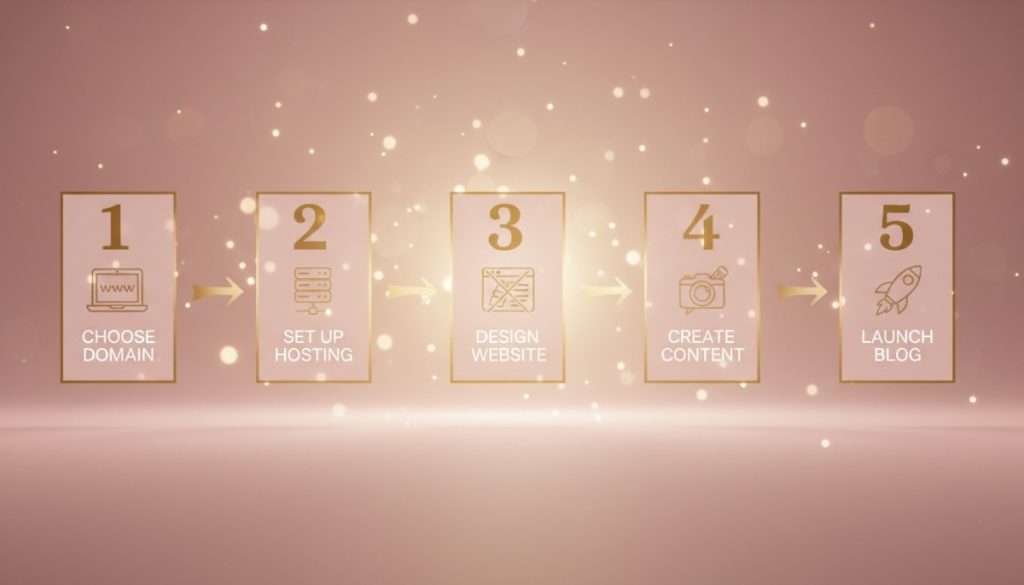
The process of starting a fashion blog may seem overwhelming at first, but it’s manageable when you break it down into steps. Start with a memorable domain name that reflects your niche. It’s important to keep it simple because complicated names are hard to remember.
Next, pick a blogging platform. The most popular choice is WordPress because it’s flexible, scalable, and SEO-friendly. You can also try Wix, Squarespace, or Substack, depending on your goals.
It’s important to prioritize user experience when designing your website. It’s critical to have clean layouts, fast loading speeds, mobile responsiveness, and strong imagery in fashion. When visitors land on your homepage, they should immediately get your brand identity.
Selecting a Domain Name and Platform
Make sure your domain name is short, memorable, and relevant to your content. Keep it simple by avoiding numbers, unnecessary symbols, and complicated spellings. When you pick your name, think about long-term growth because rebranding can be tough.
For serious bloggers, WordPress offers unmatched customization and SEO control. Successful fashion bloggers build their websites on WordPress before expanding into broader digital businesses.
Designing a user-friendly fashion website
You can drive visitors away in seconds with a cluttered website. Fashion audiences want visually appealing experiences. Make sure you have high-quality themes, professional branding, and intuitive navigation.
Showcase featured content, popular articles, and subscription options on your homepage to clearly communicate your niche. It’s important to make every design choice readable and engaging.
Creating Fashion Content That People Actually Read
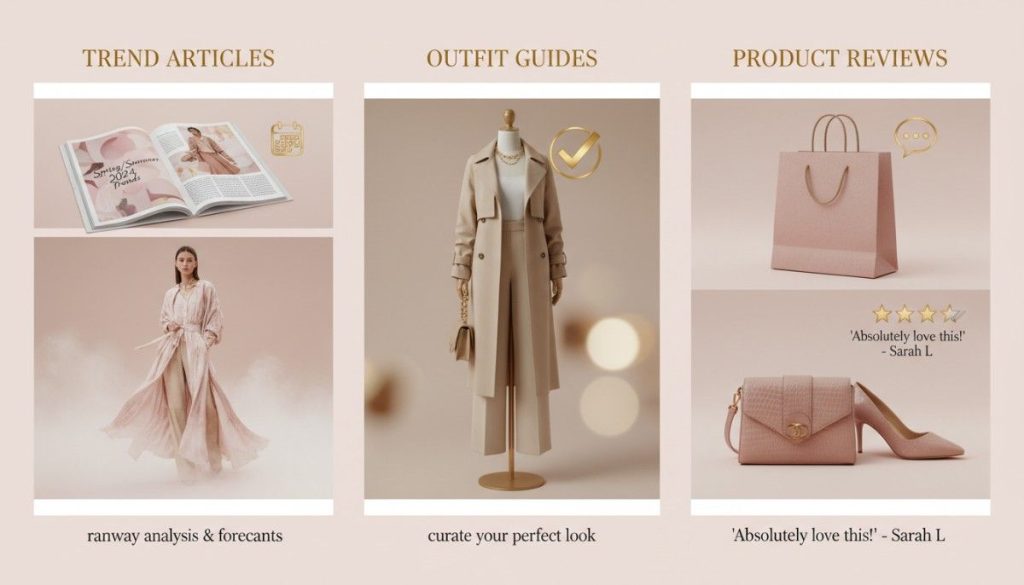
Fashion content goes beyond pretty clothes. Solutions, inspiration, and actionable advice are what readers want. Bloggers who do well understand their audience’s challenges and create content that answers them.
Readers are always looking for new and relevant information, which is why fashion trend articles do so well. Trend guides, styling forecasts, and runway analyses can boost search traffic and establish authority.
Outfit guides and product reviews are also popular. Instead of polished marketing campaigns, readers like to see how products look in the real world. Reviews build trust and keep people coming back.
Fashion Trends Articles
Bloggers can demonstrate expertise while capitalizing on search demand with trend-focused content. Trend articles explain not just what’s popular, but also why certain styles are hot.
The resurgence of 1990s-inspired styles and the growing influence of social media-driven trends are just a couple examples. Readers can navigate these trends better by reading fashion bloggers who provide context and practical advice.
Outfit Guides and Product Reviews
Readers can see how to style their outfits with detailed outfit guides. Explain how pieces work together, who they suit, and where you can wear them instead of just presenting them.
Honesty and transparency should be the priority in product reviews. We’ll talk about quality, fit, comfort, pricing, and overall value. Affiliate partnerships get more conversions when authentic reviews are written.
Photography and Visual Branding for Fashion Bloggers
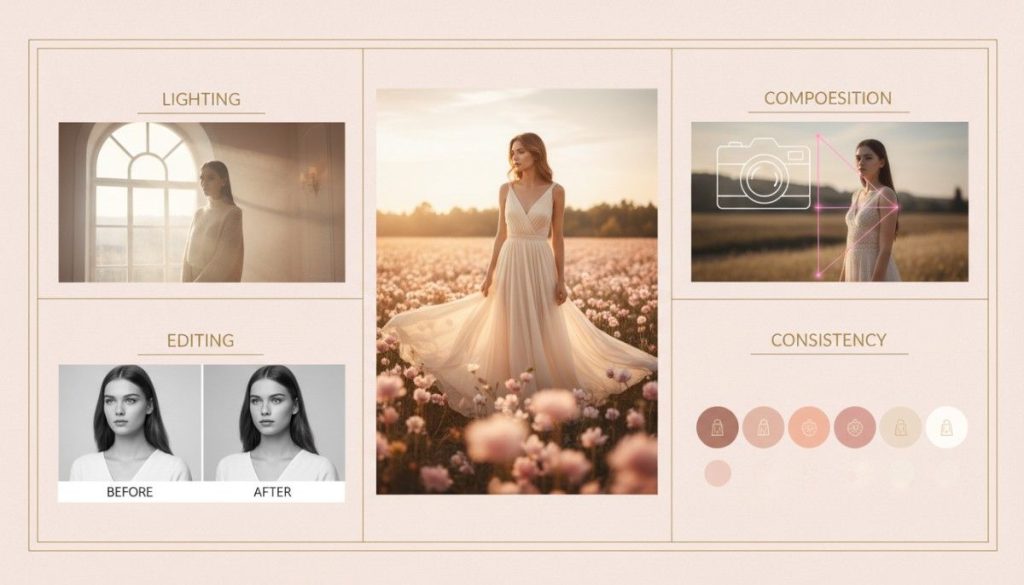
There’s something visual about fashion blogging. Photographs can transform average content into compelling experiences that get people talking. Visual presentation is crucial for success since readers form impressions within seconds.
Creating appealing imagery doesn’t require expensive equipment. If you use them right, modern smartphones can take professional-quality pictures. More important than expensive gear is good lighting, thoughtful composition, and consistent editing.
Recognition comes from visual branding. When readers see your images on social media or search results, they should instantly recognize your style. It’s important to keep colors, editing techniques, typography, and overall aesthetic consistent.
Building a Recognizable Visual Identity
You can think of visual branding as your signature. It makes your content stand out from your competitors and makes your followers feel familiar. Create a consistent approach to photography, graphic design, and content presentation.
Fashion bloggers treat every image like a story. Without a lot of explanation, their visual choices communicate personality, values, and expertise.
SEO Strategies for Fashion Blogs
Getting traffic from search engines is still one of the best ways to get it. Search engines provide long-term visibility and consistent audience acquisition while social media can deliver rapid growth.
The foundation of SEO is keyword research. Your content should naturally incorporate phrases your target audience searches for. User intent is more important than keyword stuffing.
Among the things that go into on-page optimization are crafting compelling titles, writing descriptive meta descriptions, using proper heading structures, optimizing images, and improving page speed. It’s these technical elements that help search engines understand your content and rank it.
Keyword Research for Fashion Topics
A good keyword research strategy combines search volume analysis with audience understanding. Make sure you’re targeting both broad and specific phrases. Often, long-tail keywords convert better because they address specific needs.
Here are some examples:
- Women’s sustainable fashion brands
- Luxury handbags at an affordable price
- Ideas for a minimalist capsule wardrobe
- 2026’s best streetwear trends
High-quality traffic comes from these targeted phrases.
On-page optimization techniques
There should be optimized headings, descriptive URLs, internal links, and image alt text in every article. It’s especially important to have fast loading speeds for fashion blogs because there are lots of pictures.
You don’t have to please algorithms to be successful at SEO. Create a great reader experience while helping search engines understand your content.
Social Media and fashion blogging
Fashion blogging and social media go together like peanut butter and jelly. In many cases, a blog is the central hub, while social platforms serve as distribution channels.
While Instagram dominates fashion photography, TikTok is good at finding trends and spreading viral videos. Through long-form video content, Pinterest keeps driving valuable search traffic, and YouTube helps you tell more stories.
Each platform has its own purpose. Make sure your content matches audience expectations on each channel rather than duplicating it everywhere.
Instagram, TikTok, Pinterest, and YouTube
You can tell a story visually and build a community on Instagram. You get rewarded for creativity, authenticity, and participation in trending topics on TikTok. It’s like a visual search engine, generating long-term traffic. YouTube lets you watch tutorials, reviews, and behind-the-scenes videos.
Strong fashion bloggers create interconnected ecosystems where each platform supports the other. TikTok videos may link to blog posts, while blog articles encourage newsletter subscriptions and Instagram engagement.
Monetizing a Fashion Blog
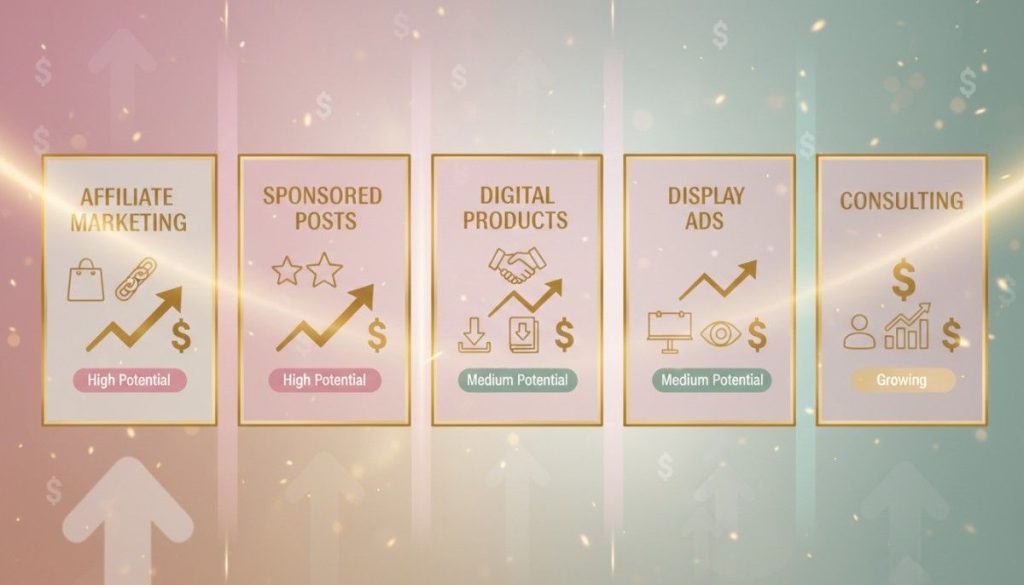
A lot of bloggers dream of making money from their passion. Fashion blogging offers a lot of monetization opportunities. Most successful bloggers don’t rely on one income source. They build diversified revenue streams instead, which increases stability and growth.
One of the easiest ways to make money is through affiliate marketing. When readers buy products through referral links, bloggers get commissions. Another big income source is sponsored partnerships, especially for creators with engaged audiences.
Additional revenue opportunities include digital products, coaching services, memberships, courses, and merchandise. You’ve got to align monetization strategies with audience needs and interests.
Affiliate Marketing
Fashion affiliate marketing works great because readers are always looking for recommendations. Integrating affiliates is easy with honest reviews, outfit breakdowns, and shopping guides.
The creator-led shopping experience is getting more sophisticated, so bloggers have new ways to make money while improving the user experience.
Sponsored Partnerships and Digital Products
It’s not uncommon for brands to look for creators who can connect with their target audience authentically. Bloggers can leverage their influence while maintaining creative control with sponsored content.
Scalability is even better with digital products. You can make recurring revenue with style guides, wardrobe planners, eBooks, templates, and premium memberships.
Conclusion
Digital publishing still has a lot to offer when it comes to fashion blogging. Through social commerce, creator-led shopping experiences, AI-powered personalization, and growing consumer trust, the industry keeps evolving. There’s never been a better time to establish a unique voice in a niche, despite fierce competition.
You need more than just outfit photos to be successful. A strong personal brand requires strategic thinking, consistent content creation, audience engagement, and SEO expertise. Bloggers who succeed combine creativity with business fundamentals while staying authentic.
Self-expression will always be at the heart of fashion. Fashion bloggers will continue to shape conversations and consumer decisions across the global fashion landscape as long as people seek inspiration, confidence, and guidance.
FAQs
1. Is fashion blogging still profitable in 2026?
That’s right. The fashion blogging industry is highly profitable thanks to affiliate marketing, sponsored partnerships, digital products, memberships, consulting services, and creator commerce. Fashion influencer marketing continues to grow.
2. How much does it cost to start a fashion blog?
Using affordable hosting and a domain name, you can start a fashion blog for less than $100 a year. You may have to pay extra for premium themes, photography equipment, and marketing tools.
3. Which platform is most suitable for fashion blogging?
WordPress is still the most popular platform because of its flexibility, SEO capabilities, and scalability. Squarespace and Wix can also work, depending on your needs.
4. How long does it take to make money from a fashion blog?
There are a lot of variations. Some bloggers make money in a few months, while others take one to two years to see significant results.
5. What type of fashion content performs best?
Fashion guides, trend reports, product reviews, seasonal styling advice, shopping recommendations, and personal fashion stories consistently get a lot of engagement.