



How to understand health and fitness
How Do You Know If You’re Healthy?
When you hear the word health, what comes to mind? For many, it’s simply the absence of illness. In reality, health
is far more layered and complex than that.
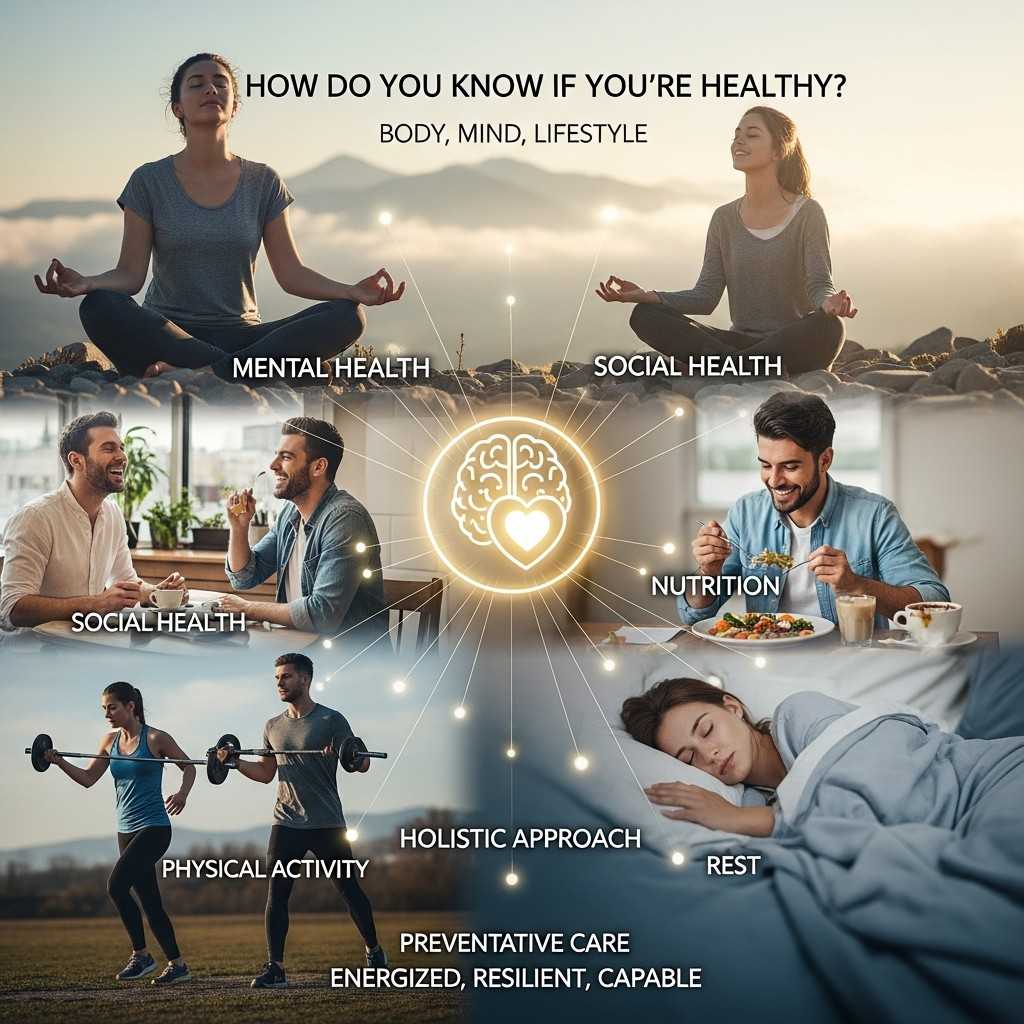
It’s about how your body, mind, and lifestyle all interact to give you a sense of
well-being. Imagine your body as a finely tuned machine—if one part stops working, the whole system feels the impact. That’s exactly how health works.
As of 2026, the definition of health has evolved beyond just physical wellness. Experts now emphasize a holistic approach, meaning your mental, emotional, and even social well-being can be just as essential as your physical state. According to recent insights, people are increasingly prioritizing quality of life over just living longer , focusing on how they feel daily rather than just living forever.
Health also includes preventative care. Instead of waiting for problems to appear, more people are investing in habits that keep them healthy long-term. Regular exercise, balanced nutrition, good sleep, and stress management all play a role. Changing the oil is like maintaining a car—you don’t wait until the engine breaks before you do it.
So, true health isn’t just about looking healthy
or avoiding sickness. Feeling energized, resilient, and capable of handling life’s daily challenges is what it’s all about.

Fitness isn’t just about weight loss
The notion of fitness is often misunderstood as being toned or having abs.
While appearance can be a result of fitness, it’s not the definition. Fitness is all about being able to do your daily tasks efficiently, without too much fatigue, and with enough energy left to enjoy life.
There are several dimensions to fitness—strength
, endurance, flexibility, and balance. Each plays a unique role. Your strength helps you lift things, your endurance keeps you going, and your flexibility keeps you moving smoothly.
Interestingly, modern research shows that people are shifting their focus from aesthetic
goals to functional fitness. Instead of asking, “How do I look?” people now ask, “What can my body do?” This shift reflects a better understanding of health.
Fitness is also deeply personal. What works for one person may not work for another. Some thrive on weight training, while others love
yoga or running. The key is finding some stuff you
genuinely enjoy. An article from 2026 even showed that enjoyable, varied workouts improve long-term consistency and reduce mortality risk.
In simple terms, fitness is not a destination—it’s a lifestyle. And the most delicious
part? No matter where you start, it’s something you can build step by step.
Health and fitness are more important than ever
Challenges of modern living
Let’s be real-modern life isn’t the healthiest. Long hours sitting at desks, endless screen time, processed foods, and high stress levels have created a perfect storm for declining well-being. It’s no surprise that more people are now actively seeking ways to improve their health.
One major issue is sedentary behavior. Many people spend most of their day sitting, whether at work or at home. This lack of movement can lead to weight gain, poor posture, and an increased risk of chronic diseases. Add to that the convenience of fast food and the pressure of daily responsibilities, and it becomes clear why maintaining health can feel challenging.
But here’s the good news: awareness is growing. People are becoming more conscious of their habits and trying to change them. In fact, reports show that the global fitness industry has grown into a $1.5 trillion ecosystem, reflecting the increasing demand for healthier habits.
The takeaway? While modern life presents challenges, it also offers opportunities. With the right mindset and habits, you can take control of your health and thrive despite these obstacles.
Benefits of Preventative Healthcare
Prevention is always better than cure—and nowhere is this more evident than in health and fitness. Regular physical activity isn’t just about staying fit; it’s one of the most effective forms of preventive healthcare.
According to recent research, 89% of people think regular exercise prevents illnesses. And they’re right. Exercise reduces your risk of heart disease, diabetes, obesity, and even certain cancers.
But prevention extends beyond physical health. Exercise also improves mental well-being, boosts mood, and enhances cognitive function. It’s just like natural medicine with no side effects.
Another crucial aspect is cost savings. Investing in your health now can reduce medical expenses in the future. Think of it as paying upfront for a better quality of life later.
In today’s fast-paced world, prioritizing health isn’t a luxury—it’s a necessity. And the sooner you start, the greater the benefits you’ll experience.
A look at the key components of fitness
Development of Strength and Muscle
Strength training has become one of the most popular fitness trends—and for the right reason. Building muscle isn’t just about aesthetics; it’s essential for overall health. Strong muscles support your joints, improve posture, and increase metabolism.
In 2026, there’s a noticeable shift toward strength training for longevity. It’s becoming obvious that maintaining muscle mass as they age is crucial for independence and quality of life. It’s no longer just about lifting heavy weights—it’s about building functional strength.
Strength training also helps you lose fat. Muscle tissue burns more calories than fat, even at rest. This means the more muscle you have, the more efficient your body becomes at burning energy.
The funniest part? You don’t need a gym to start. Bodyweight exercises like push-ups, squats, and lunges can be incredibly effective. It’s all about consistency and gradual progress.
A cardio workout that lasts
You’re doing cardio to keep your heart and lungs healthy. Activities like running, cycling, swimming, and even brisk walking fall into this category. Cardiovascular endurance allows your body to sustain physical activity for extended periods.
One of the biggest trends in recent years is the rise of simple, accessible cardio, like walking. It’s easy, requires no equipment, and can be done anytime. Many experts recommend aiming for around 8,000–10,000 steps per day for optimal health.
Cardio also plays a significant role in weight management. It burns calories, improves circulation, and increases energy levels. But it’s crucial to find a balance—too much cardio without strength training can lead to muscle loss.
Think of cardio as the engine of your body. You’ll perform better in everyday life if it’s stronger.
Adaptability and mobility
Flexibility and mobility are often overlooked, but they’re just as essential as strength and endurance. They ensure that your body moves smoothly and efficiently, reducing the chance of injuries.
Activities like yoga, stretching, and mobility exercises can improve your range of motion and relieve muscle tension. They’re especially useful if you spend long hours sitting.
In 2026, there’s a growing emphasis on mobility training as part of daily routines. People realize that being able to move freely is a key aspect of overall health.
Improved flexibility also enhances other exercise performance. Better mobility means better results, whether you’re lifting weights or running.
Fitness and mental health
Brain Function and Exercise
Have you ever noticed how awesome you feel after a workout? That’s not just in your head—it’s science. Exercise triggers the release of endorphins, often known as “feel-good” hormones.
Regular physical activity can improve memory, focus, and overall cognitive function. It’s like giving your brain a shot of energy. In a world filled with distractions, this can be incredibly valuable.
Exercise also promotes better sleep, which is essential for mental health. A good night’s sleep helps your mind work better, so you’re less stressed.
Movement Reduces Stress
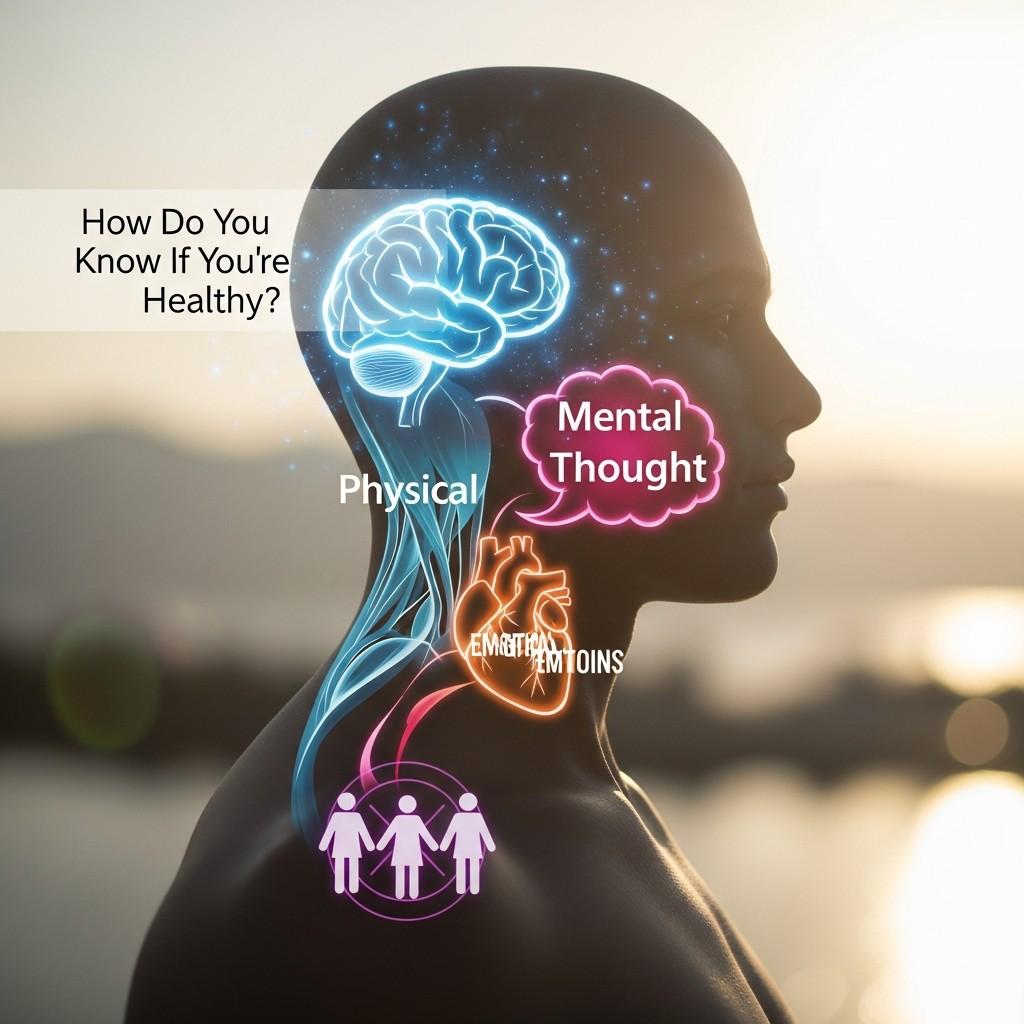
Stress is an unavoidable part of life, but how you manage it makes all the difference. Exercise is one of the most effective ways to reduce stress.
Physical activity lowers cortisol levels, the hormone associated with stress. It also provides a healthy outlet for tension. Whether it’s a run, a yoga session, or a simple walk, movement can calm the mind.
In today’s world, where mental health is a priority, fitness plays a crucial role. It’s not just about building a strong body, it’s about creating a balanced, resilient mind, too.
The foundation of fitness is nutrition
The macronutrients
You can’t out-exercise on a poor diet. Nutrition is the foundation of health and fitness. Food fuels your body and directly impacts your performance and recovery.
There are three main macronutrients: carbohydrates, proteins, and fats. Each plays a unique role. Carbohydrates provide energy, proteins support muscle repair, and fats are essential for hormone production.
A balanced diet includes all three in the right proportions. It’s not about restriction, it’s about nutrition.
The importance of hydrating
Water is often overlooked, but it’s one of the most essential aspects of health. Proper hydration supports digestion, regulates body temperature, and keeps your joints lubricated.
Even mild dehydration can affect your energy levels and performance. That’s why it’s necessary to drink enough water throughout the day, especially if you’re active.
What’s hot in fitness in 2026
Smart wearables and AI
Technology is transforming the fitness industry. Devices that track heart rate, sleep, and activity levels are becoming increasingly popular. These tools provide valuable insights into your health and help you make informed decisions.
Experts warn against over-relying on these devices, though, as constant monitoring can sometimes lead to stress.

Workouts for long-term health
No longer are the days of gym hours. Short, effective workouts are popular. These “snack-sized workouts” fit easily into busy schedules and are highly effective.
In addition to appearance training, longevity training emphasizes strength, mobility, and overall well-being.
How to Create a Sustainable Fitness Routine
Achieving Realistic Goals
Setting unrealistic goals is one of the biggest mistakes people make. Instead of aiming for perfection, focus on progress. Small, consistent steps lead to long-term success.
Maintaining Consistency
Fitness and health success come down to consistency.
It’s better to do a little every day rather than go all out once in a while. Find a routine that fits your lifestyle and stick to it.
Avoid these common mistakes
Many people start their fitness journey with enthusiasm but lose motivation over time. The most common mistakes are overtraining, neglecting nutrition, and comparing yourself to others.
Remember, your journey is unique. Focus on your own progress and celebrate small victories along the way.
Final thoughts
Health and fitness are not just trends—they’re lifelong commitments. We live in a constantly changing world, and taking care of our bodies and minds is crucial. Whether you’re just starting out or looking to improve your routine, the key is to stay consistent, stay informed, and most importantly, enjoy the process.
FAQs
1. How often should I exercise for optimal health?
Aim for at least 150 minutes of moderate exercise per week, combined with strength training sessions.
2. Can I stay fit without exercising?
Absolutely. Home workouts, walking, and outdoor activities can be just as effective.
3. What is the most effective diet for fitness?
A balanced diet with whole foods, including proteins, carbs, and healthy fats, works best.
4. How long does it take to see results?
Results vary, but noticeable changes usually appear within 4–8 weeks with consistency.
5. Is mental health connected to physical fitness?
Exercise improves mood, reduces stress, and boosts mental health.