


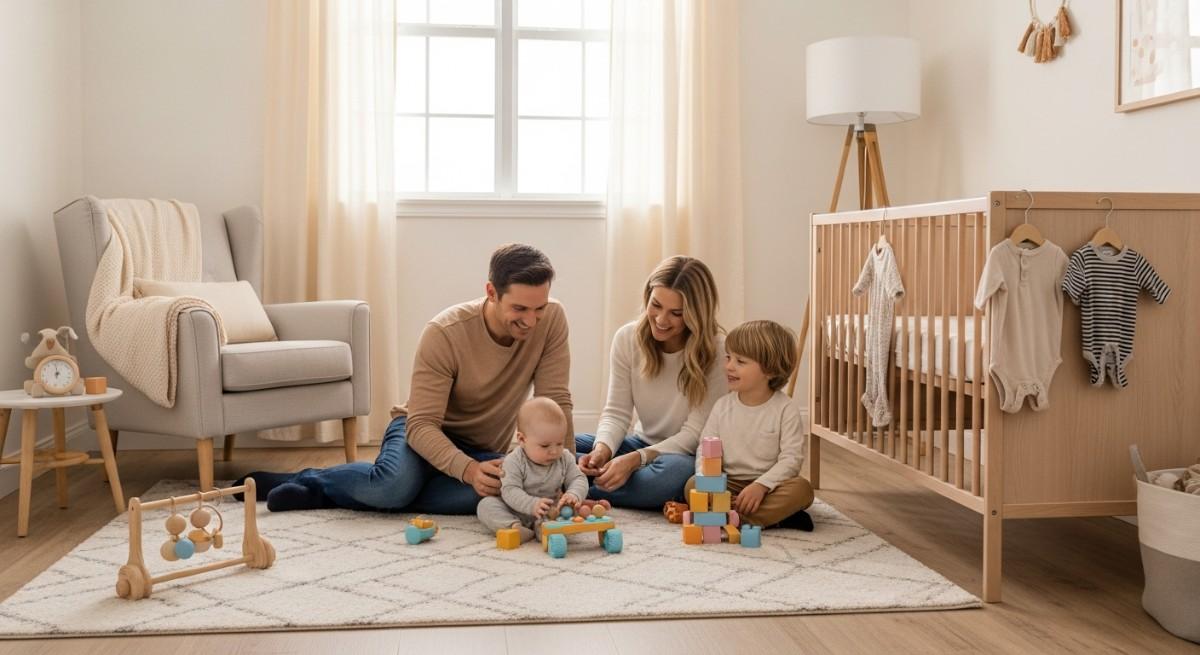
Understanding the Meaning of First
It sounds obvious, but it’s surprisingly easy to lose focus when it comes to babies and kids. Marketers constantly tell parents they need the latest stroller, the smartest monitor, the trendiest nursery, and the cutest matching outfits. There’s a lot of noise out there, but the real question is: “Does my kid really need this? ” That question is the heartbeat of smart parenting.
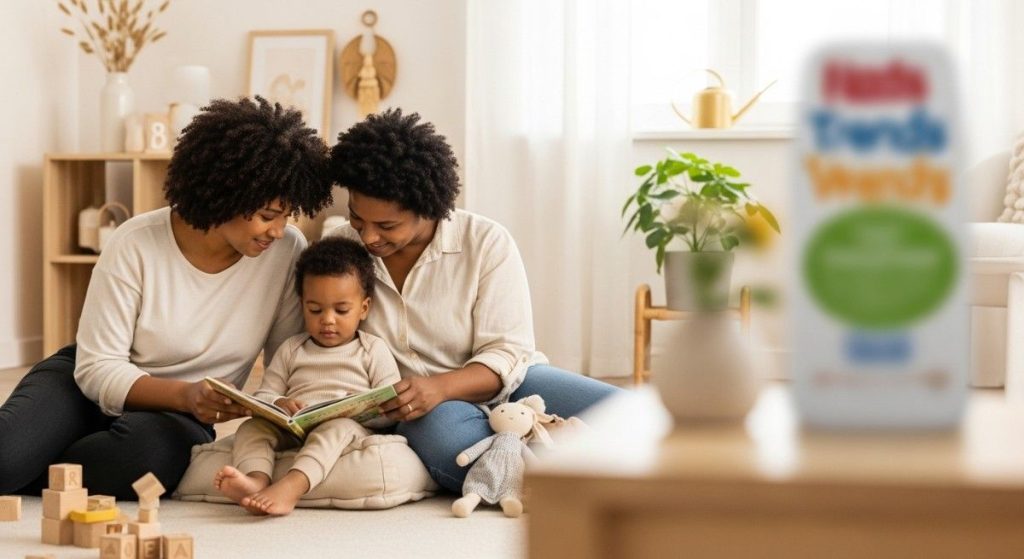
It’s no longer about collecting things when it comes to parenting. It’s about creating environments where kids can grow safely, emotionally, and physically. Choosing breathable clothes over flashy outfits, calm play over endless screen stimulation, and emotional presence over expensive distractions is what it’s all about. You can think of parenting like gardening. Flowers don’t bloom by buying golden watering cans — they bloom by being consistent, getting sunlight, and caring for them.
In 2026, parents are going to be more intentional. Families are buying fewer, higher-quality products instead of filling their homes with short-term purchases. By adopting this mindset, you’ll save money, reduce stress, and make your kids’ routines healthier. We’re not looking for perfection. That’s thoughtful decision-making.
When you put your child’s comfort, safety, emotional needs, and development at the center of everything, you’re already winning. Baby and kid first is what we do.
Baby Product Trends in 2026
We’re going to have a smarter, cleaner, and less wasteful baby product world in 2026. Products that look cute but don’t serve a real purpose no longer impress parents. They’re more concerned with function, longevity, and safety. A big trend this year is smart connected safety products like AI-powered baby monitors, breathing trackers, and adaptive bassinets. With these tools, parents can replace guesswork with real-time reassurance, especially during the sleepless newborn months.
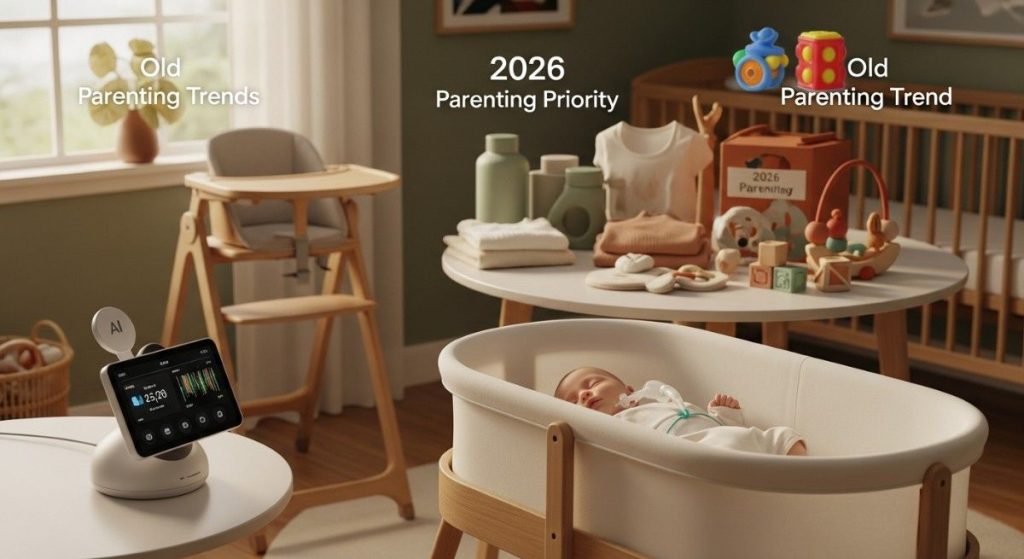
But smart technology alone won’t cut it. It’s become a buying requirement now that sustainability is a marketing buzzword. Brands that claim to be eco-friendly now have to prove it. It’s more important to have organic cotton, bamboo blends, non-toxic materials, and durable construction than bright packaging. It’s more common for families to choose products that can be reused, passed down, and trusted over time.
Here’s a quick comparison of what parents prioritize today:
| Old Parenting Trend | 2026 Parenting Priority |
|---|---|
| Buying more products | Buying fewer, better products |
| Bright flashy designs | Calm neutral aesthetics |
| Short-term baby gear | Multi-stage long-term use |
| Decorative clothing | Comfort-first essentials |
| Loud stimulating toys | Open-ended developmental toys |
Nursery items and strollers are also coming in neutral colors like sage, sand, terracotta, and warm beige. It’s not just about style, it’s about creating calm, organized spaces that are stress-free for parents and kids.
In 2026, smart parenting doesn’t mean spending more. Making better choices is what it’s all about.
Choosing Comfortable and Safe Baby Clothing
It’s no secret that babies don’t care about fashion. It’s all about comfort for them. When something scratches, squeezes, overheats, or makes diaper changes hard, your baby will let you know. In baby fashion this year, comfort has become the non-negotiable rule.
For 2026, experts recommend organic cotton jersey, modal blends, and bamboo-cotton hybrids. Flat seams, tagless labels, stretch-friendly designs, and snap closures are what parents want. Baby clothes shouldn’t have buttons that don’t serve a purpose except to look cute.
There’s also a big shift in gender-neutral clothing. Earthy tones like olive, clay, sand, and soft gray are replacing pink-and-blue categories. Colors like these are practical, timeless, and easy to reuse. As well as making shopping easier, they make it less restrictive.
There’s also a comeback of vintage-inspired styles like Peter Pan collars, knitted rompers, and gingham prints, with softer fabrics and modern fits. It’s all about timeless beauty without sacrificing comfort and movement.
It’s not about the most expensive wardrobe for your baby. You know, the one that stands up to spills, naps, crawling, and repeated washings. Being comfortable isn’t boring—it’s smart.
Kids Fashion Trends That Actually Make Sense
It’s basically like they’re tiny athletes with snack demands. Playground adventures, puddle jumps, and mystery stains may never be explained by science. In 2026, the biggest kids’ fashion trends will focus on practicality over style.
The trend is elevated basics: well-made joggers, sweatshirts, coordinated sets, and high-quality t-shirts that hold their shape after repeated washings. Kids are moving away from cute but useless outfits and choosing durable pieces for school, play, and family outings.
Fashion that’s functional is another winner. We’re seeing cargo trousers, activewear-inspired sets, reinforced knees, and easy-care fabrics everywhere. Kids need flexibility, not stiff formal wear posing as practical – that’s why athleisure is so popular.
Having fun is still part of childhood. Color blocking, retro stripes, smiley graphics, nature-inspired prints, and bright accent colors like coral and electric blue bring personality back to wardrobes. Think of it like pizza—yes, the crust is important, but the toppings really make you happy.
It’s also a trend to match siblings, especially for family photos and holidays. They’re cute, practical, and surprisingly useful when dressing multiple kids at once.
The fashion that respects movement, comfort, and childhood joy will always win.
Toys That Support Development
Families are choosing toys with purpose in 2026, and open-ended play is the biggest winner.
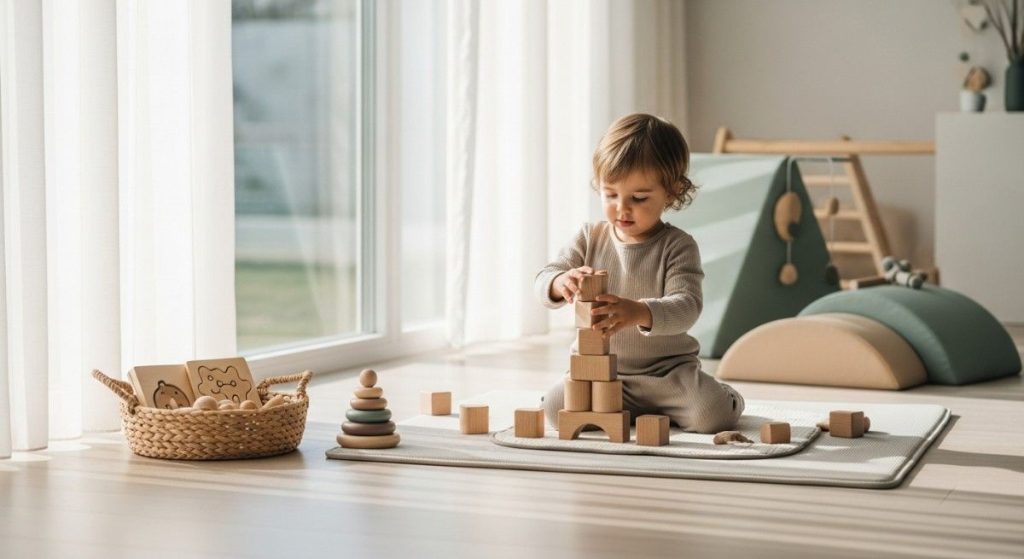
Stackable toys, pretend-play sets, building blocks, sensory mats, and simple tools that grow with a child are all open-ended toys. Imagination is encouraged when you play with these toys because there’s no fixed way to do it. You can build a tower today and a spaceship tomorrow with the same block. Problem-solving and independence are supported by flexibility.
There’s also a move toward calm play environments among parents. In place of loud flashing toys and endless sounds, low-stimulation spaces help kids focus and regulate their emotions. In modern homes, play zones are defined with neutral colors, clean layouts, and supportive floor surfaces.
A strong trend is toy minimalism – fewer toys, better toys. Toy mountains create clutter and chaos, so parents rotate smaller collections of high-quality toys. As a result, your attention span will be better and you won’t get overstimulated.
Here are 2026’s top toys:
- Keeping you safe and durable
- Use in multiple stages
- Developing your senses
- Independent exploration
- Easy storage and a calm design
The most enjoyable toy is not the loudest. It is the one your child keeps returning to because it helps them create their own world.
Creating the Perfect Nursery
You don’t have to be Pinterest perfect to have the perfect nursery. The goal is to make a peaceful, functional space where baby and parents can breathe. Natural themes, warm wood, and practical simplicity are all big in nursery design in 2026.
There’s no denying that wooden nursery furniture creates warmth and timeless style. Whether you want a Scandinavian crib, jungle crib, nature crib, or minimalist crib, a wooden crib fits in easily. Rather than overly themed rooms that become outdated in six months, parents are choosing adaptable designs that grow with their kids.
Rugs that you can wash have also become a major hit. Floor comfort is important for babies since they roll, crawl, and explore on the ground. Washable rugs keep cleaning realistic for busy households. “Easy to wash” is basically a luxury for parents.
Another quiet hero is storage. Make routines easier with open baskets, labeled bins, and multi-purpose furniture. Having diapers in two seconds instead of ten feels like a superpower when you’re sleep deprived.
You can create calm rather than overstimulation with neutral palettes like forest green, warm beige, soft gray, and terracotta. Combined with natural light and practical layout, these choices make nurseries feel like safe spaces, not decoration projects.
Real life should be supported in a nursery, not just photos. Cleanliness, comfort, and simplicity always win.
Parenting Strategies That Work in Real Life
There’s one thing every parent learns: perfect parenting doesn’t exist. There’s nothing like a messy kitchen, late-night crying sessions, forgotten school projects, or moments where cereal becomes dinner. We’re not trying to be perfect. The connection is what makes it work.
The buy less, buy smarter mindset will be one of the biggest parenting shifts in 2026. Before buying, parents ask better questions: Will this last? Is it going to be used by my kid? Is this going to make life easier or just more expensive? Clutter and emotional burnout go down with this mindset.
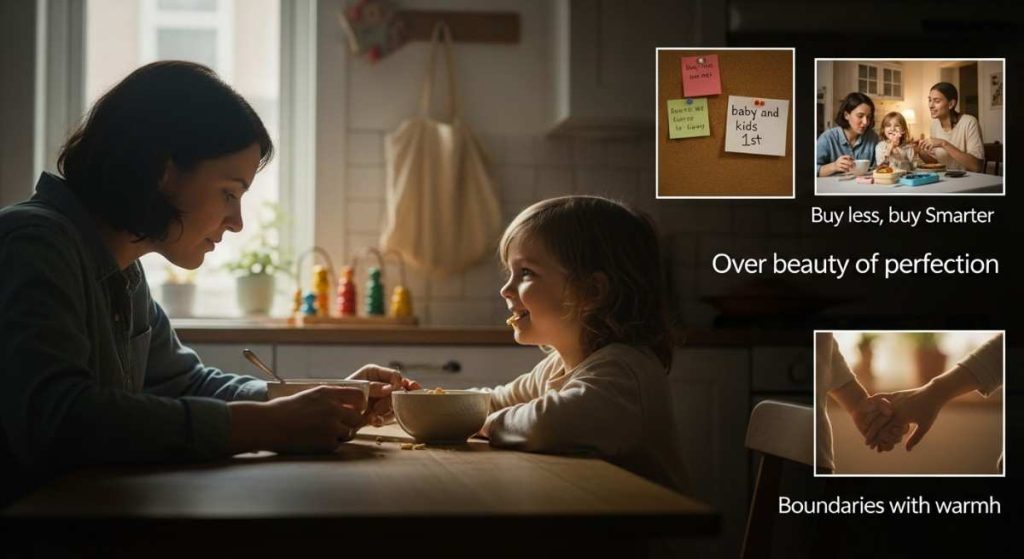
We’re also focusing more on shared parenting. Modern families are getting away from one-parent overload and working together more. Parenting works best when responsibility is shared, not carried silently. It’s just as important to do emotional labor as diaper duty.
Another rising strategy is boundaries with warmth. It’s important for kids to have structure, but they also need emotional safety. You can build trust more effectively by saying “no” with kindness than by punishing forever. Guidance is more important than control when it comes to parenting.
It’s not just physical habits that are changing. The number of parents who limit social media influence is growing, especially as kids want to have adult skincare routines and appearance-focused habits. Parents now have to protect their kids’ confidence.
You don’t need to be perfect for your kid. You’ve got to give them one. It’s there where the real magic happens.
Conclusion
Putting baby and kids first is not a trend—it is a lifelong mindset. It means choosing comfort over appearance, development over distraction, calm over chaos, and quality over quantity. In 2026, parents are becoming more intentional than ever, focusing on what truly supports a child’s growth instead of what simply looks impressive.
From breathable baby clothes and sustainable essentials to open-ended toys and peaceful nurseries, the smartest choices are often the simplest ones. Children do not need everything. They need safety, connection, consistency, and space to grow.
Parenting will always be a little messy, a little loud, and sometimes wonderfully confusing. But when your decisions start with one question—“Is this best for my child?”—you are already doing the most important part right.
FAQs
- Baby and kids first: what does that mean?
It means prioritizing the safety, comfort, emotional well-being, and healthy development of children before convenience, trends, or unnecessary purchases.
- What are the top baby product trends in 2026?
Smart baby monitors, sustainable materials, neutral nursery designs, multi-stage products, and comfort-first clothing are leading parenting trends this year.
- Why are parents choosing fewer toys now?
Fewer high-quality toys improve focus, reduce overstimulation, support better development, and make home organization easier for families.
- What fabrics are most suitable for baby clothes?
Organic cotton, bamboo-cotton blends, and modal fabrics are popular because they are soft, breathable, gentle on sensitive skin, and easy to maintain.
- How can I create a practical nursery on a budget?
Make your home more timeless with timeless wooden furniture, washable rugs, simple storage solutions, neutral colors, and multi-purpose items.









Important information about all over rool
Good