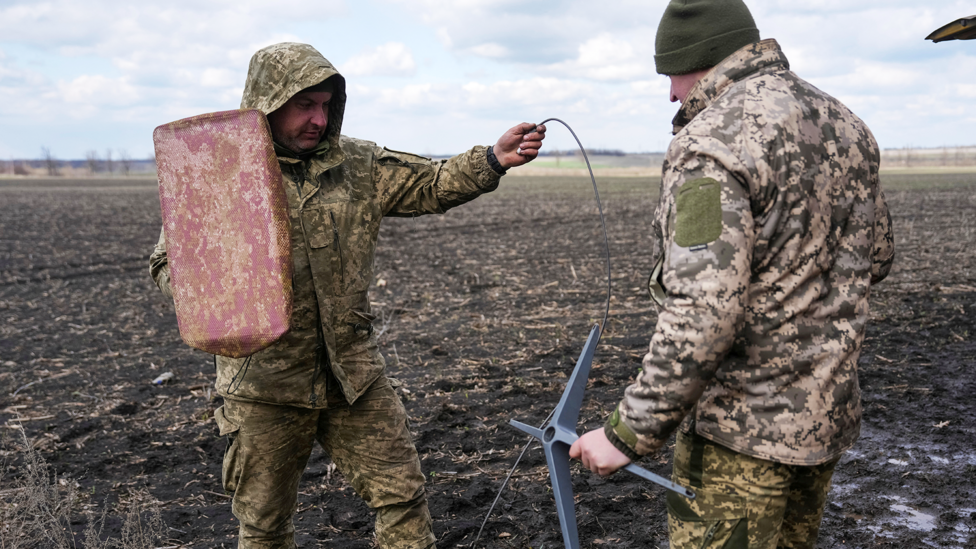
New speed limitations imposed on Starlink terminals have hampered Ukrainian military operations, according to an adviser to President Volodymyr Zelensky. Serhiy Beskrestnov stated that SpaceX, led by Elon Musk, implemented a 100mph (160km/h) speed threshold for internet connectivity, a change that was not communicated to Ukrainian forces beforehand. This adjustment has resulted in the disruption of various battlefield missions, particularly those involving interceptor drones and middle-strike assets.
A source within the Ukrainian defence ministry confirmed to that connectivity issues arise once a vehicle or asset exceeds the 160km/h limit. Beyond the operational impact on drone strikes, the ministry indicated that these restrictions degrade essential capabilities for front-line logistics, reconnaissance, and signal relaying. While SpaceX has yet to comment on the matter, Beskrestnov suggested the timing of the policy shift is linked to the broader political climate. We detected restrictions affecting Starlink connectivity at speeds above 160 km/h, a source in the Ukrainian defence ministry later told: “Last night.
These technical hurdles coincide with intense Russian aerial assaults across Ukraine. President Zelensky reported that widespread missile and drone strikes left at least 600,000 residents without electricity, causing significant damage to critical energy infrastructure in Kyiv, the capital region, and Kharkiv. Local officials confirmed that three people were killed in the capital during these attacks. In response to the strikes, the Ukrainian Air Force stated that it intercepted 115 of the 128 drones and four of the 39 ballistic and cruise missiles launched by Russian forces. Watch: What we know about Russia’s overnight strikes on Ukraine. Starlink is a vital tool allowing Kyiv to effectively guide drones to Russian targets and also protect Ukrainian skies. And Moscow currently controls about 20% of Ukrainian territory, russian President Vladimir Putin launched a full-scale invasion of Ukraine in 2022. In the follow-up post, Zelensky’s adviser stressed that Starlink was the most effective tool for enabling interceptors to shoot down Russia’s newly developed jet-propelled drones. In February, Musk’s decision to deny Russian forces access to Starlink blunted Moscow’s advance in Ukraine and caused confusion among Russian commanders.
The current escalation persists despite previous claims by US President Donald Trump regarding an energy ceasefire. Meanwhile, the Russian defence ministry asserted that it successfully shot down 902 Ukrainian drones over various Russian territories, including Moscow and the annexed peninsula of Crimea. Russia maintains that its offensive efforts are targeting military communication and energy facilities.
As the violence continues, President Zelensky is scheduled to meet UK Prime Minister Andy Burnham in London to discuss the urgent acceleration of air defence supplies for Kyiv. The situation remains complex regarding potential diplomatic resolutions; while Zelensky has expressed a willingness to halt strikes on Russian energy infrastructure if Moscow reciprocates, Russian Foreign Minister Sergey Lavrov has rejected the notion of a respite, arguing that any truce would only allow Europe to further rearm Ukraine.
The reliance on Starlink remains a critical factor in the conflict, having previously played a key role in blunting Russian advances earlier this year. As Ukraine investigates the root cause of these connectivity limits, the military continues to grapple with both the loss of electrical infrastructure and the degradation of the satellite communication tools necessary for modern defensive maneuvers. The source added that the “root cause” of the issue was being investigated.