Russia’s health monitoring agency, Rospotrebnadzor, declared on Wednesday that there is no risk of an epidemic following the death of a laboratory technician at the Irkutsk Research Anti-Plague Institute in Siberia. Officials confirmed they are winding down preventative measures in the region after completing medical monitoring for over 90% of the deceased worker’s contacts. According to the agency, nearly 5,000 laboratory tests have been conducted, with no dangerous pathogenic microorganisms or health issues related to infectious disease detected among those in contact with the employee. With the country’s watchdog saying, “As of October 7, 2026, medical monitoring has been completed for over 90% of contacts, russian authorities sought to alleviate those worries on Wednesday. A move that fueled questions among some local residents about whether authorities were being transparent, local authorities have previously introduced disease-control measures at local hospitals in Irkutsk.
Despite these assurances, the World Health Organization (WHO) stated that a full risk assessment remains impossible due to a lack of detailed data. Dr. Tedros Adhanom Ghebreyesus, the WHO chief, emphasized that transparent and timely information sharing is essential under international regulations to address conflicting reports and clarify public health risks. WHO experts previously downgraded the threat level from the event to undetermined, noting that if the worker did not die from pneumonic plague, the specific cause remains unknown. WHO’s experts also updated their early evaluation that the lab worker’s death posed “low” risk to public health, saying that because she may not have died of pneumonic plague — a bacterial infection that can be transmitted from person to person, but doesn’t spread easily — the risk from the event was now undetermined. According to under its International Health Regulations, designed to prevent the cross-border spread of disease, WHO member, Are obliged to notify it of “events that may constitute a public health emergency of international concern.”.
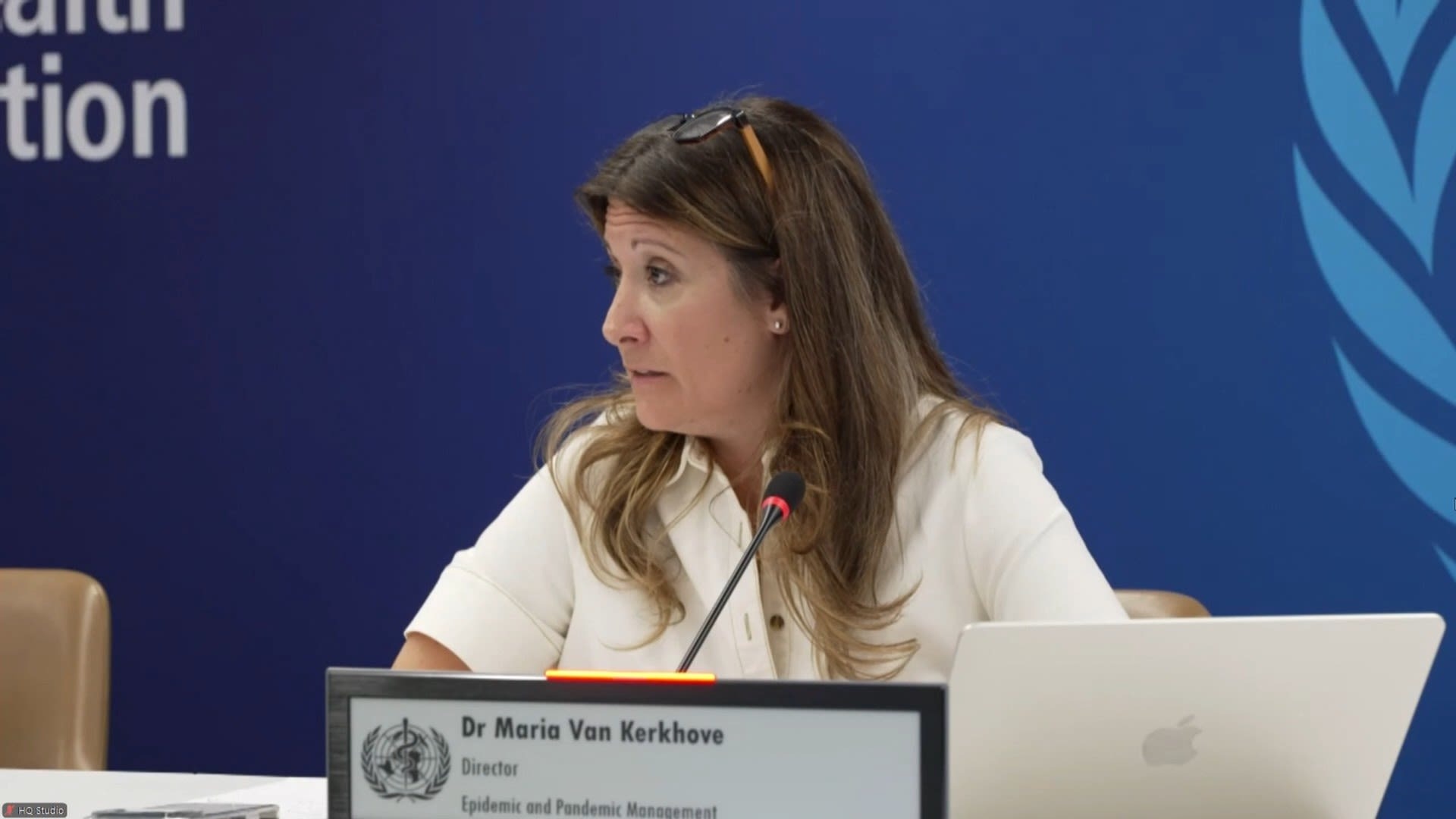
Dr. Maria Van Kerkhove, director of the WHO’s department of epidemic and pandemic management, said the organization is seeking specific details regarding the laboratory tests performed and which pathogens were evaluated. She noted that Russian health officials informed the WHO that no plague cases were registered in the area and no high-threat pathogens were identified, yet the organization expects further answers to understand the nature of the worker’s death.
The Kremlin has dismissed international concerns, maintaining that it has kept the WHO informed according to standard practice. However, the U.S. administration has escalated its push for clarity. On Tuesday, the State Department issued a formal diplomatic communication known as a démarche to request additional information from the Russian government. Secretary of State Marco Rubio noted that it is incumbent upon Moscow to provide more transparency, suggesting that the situation could be more significant than currently disclosed, though he warned against reckless speculation given the limited data.
President Donald Trump stated on Wednesday that the U.S. does not believe the worker, identified as Shipilova, died from exposure to a bioweapon. While acknowledging that Russian officials have been sparse with disclosures, Trump said he expects to learn more soon and characterized the Russian government’s current position as one of control. U.S. officials remain in communication with other nations to coordinate information sharing while they continue to press Moscow for definitive answers regarding the incident at the anti-plague facility. “We don’t think so,” Trump said. “We’re going to find out soon enough, but we don’t think so.”.