

Five former Barclays traders, central to one of the most significant legal battles following the 2008 financial crisis, have had their criminal convictions overturned by the Court of Appeal. Jay Merchant, Jonathan Mathew, Philippe Moryoussef, Alex Pabon, and Colin Bermingham were previously found guilty for their roles in manipulating interest rates, specifically the Libor and Euribor benchmarks used to determine borrowing costs for products ranging from mortgages to vehicle finance.
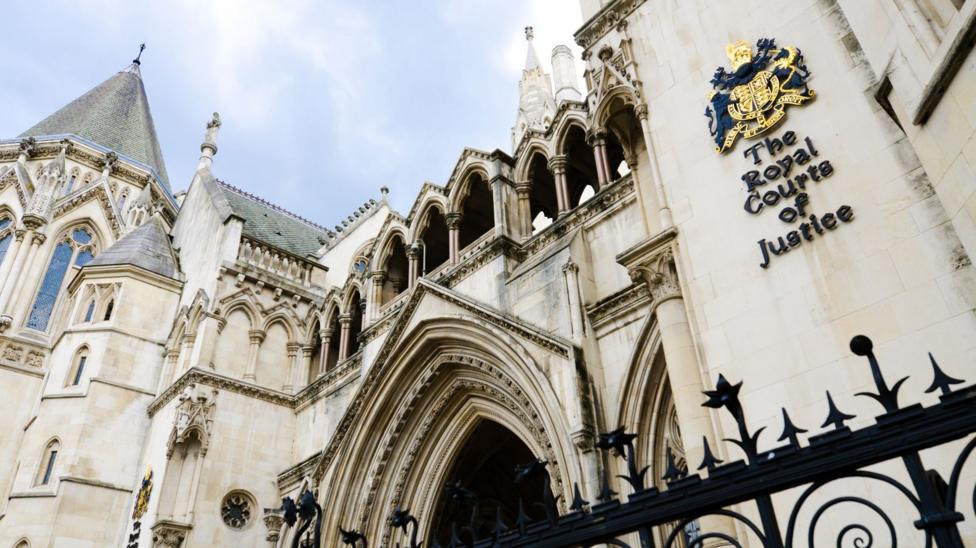
These convictions were officially quashed this Wednesday, a development prompted by the successful appeals of two other former City traders last year, which established a legal path for these subsequent reversals. Lord Justice Edis noted that the detailed reasoning behind the court’s decision would be released later in the day.
During the aftermath of the 2008 crash, these traders were frequently positioned by prosecutors as representative figures of banking greed, sparking intense public animosity. Following their original convictions, Merchant, Mathew, Pabon, and Bermingham served various periods of incarceration. Moryoussef received his sentence in absentia in 2018 but avoided serving time after French authorities declined to extradite him to the UK. Merchant, Mathew, Pabon and Bermingham have all served various jail terms. Moryoussef was sentenced in his absence in 2018, never returned to the UK to serve time after France refused to extradite him.
Reflecting on the decade-long ordeal, 45-year-old Jonathan Mathew described the experience as a severe burden. He stated that the reversal is not merely about clearing his name but serves as validation that an injustice occurred which should never have taken place. He added that correcting the record is deeply significant for his two children.
Jay Merchant, 55, expressed a desire to move forward with his life while emphasizing his intent to ensure that individuals responsible for the initial circumstances are held to account. The legal proceedings mark a major conclusion to a saga that began as a symbol of accountability during a period of systemic economic turmoil.