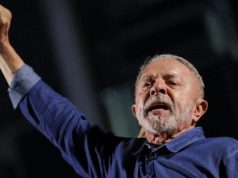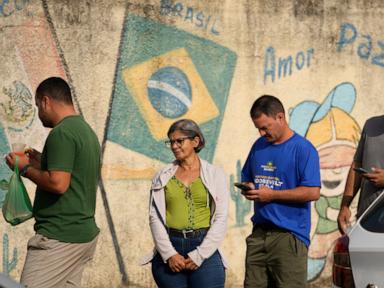
Voters across Brazil began casting ballots on Sunday in a contentious presidential election. The race features a direct confrontation between the incumbent, 80-year-old Luiz Inácio Lula da Silva, and his challenger, Sen. Flávio Bolsonaro, the 45-year-old son of former far-right president Jair Bolsonaro. Both candidates are viewed as having viable paths to an outright win, though a runoff election on October 25 will be triggered if no candidate secures more than 50% of the vote. The top two vote-getters will head to a runoff on Oct, if no candidate gets more than 50% of the vote. 25 in Latin America’s economic powerhouse.
The election occurs against a backdrop of deep political division. Nearly 159 million citizens are eligible to participate in the choosing of a president, 27 state governors, regional legislators, and hundreds of members of the federal congress. While ten other candidates are on the ballot, they are expected to garner only minimal support compared to the two front-runners. Almost 159 million Brazilians are eligible to vote in this tense political showdown.
Ideologically, the candidates present sharply contrasting paths for the nation. Flávio Bolsonaro maintains a strong alliance with former U.S. President Donald Trump and has campaigned on promises to secure the release of his father, who is currently serving a 27-year prison sentence for a coup attempt. Additionally, he has advocated for negotiating new trade agreements regarding Brazil’s rare mineral deposits, which represent the world’s second-largest reserves behind China. Including the rare minerals economy, he has insisted that Brazil needs to strike better deals with the Trump administration.
Conversely, Lula is seeking a fourth nonconsecutive term and has prioritized strengthening diplomatic and economic ties with Beijing. Throughout the campaign, Lula has been critical of Washington, citing past tensions involving trade tariffs and visa restrictions imposed during the Trump administration. Following his vote on Sunday, Lula expressed confidence in a first-round victory, stating that he intends “to do double of what we have done” if he secures another term. The incumbent president has often spoken about risks of U.S. intervention in the Brazilian elections after the Trump administration imposed high tariffs against Brazilian exports, revoked the visa of the country’s ambassador in Washington and sanctioned a Supreme Court justice who chaired the investigation that ended up resulting in the sentencing of Jair Bolsonaro, Lula’s predecessor. Although he denies his campaign received help from the U.S. government, flávio Bolsonaro has touted his proximity to the White House.
Political observers note that the contest has devolved into a series of aggressive accusations rather than a debate over policy proposals. “Polarization in Brazil created a trap. There’s no third candidate. You only have two options, and they fight each other in an atmosphere that becomes worse and worse,” explained Rio de Janeiro-based consultant Thomas Traumann. Analyst Carlos Melo added that the Lula campaign recognizes the severity of the challenge, noting that the political environment is increasingly difficult.
The electoral landscape remains complicated by recent controversies. Flávio Bolsonaro has faced scrutiny over corruption allegations, including claims involving payments from a former banker, and pushback from evangelical voters regarding his political concessions. Meanwhile, the incumbent president is managing an affordability crisis and navigating the fallout from a corruption scandal that touched members of the judiciary. Including Argentina, Colombia and Peru, trump allies have found support in recent years in some Latin American countries.
Official Notifications and Ongoing Inquiries
- Christa Pike: Attorneys report the death row inmate remains unconscious on a ventilator following a botched execution.
- FlyDubai Incident: Officials confirmed the suspect was previously flagged as a potential security risk.
- Cornell University: Local authorities have officially reopened the investigation into an alleged gang rape case.
Four years ago, Lula defeated Jair Bolsonaro by a narrow margin of 2.1 million votes, or roughly 2 percentage points. At that time, voter sentiment was heavily influenced by the government’s handling of the COVID-19 pandemic, economic instability, and threats to democratic institutions. As the nation returns to the polls, the outcome remains uncertain as both camps prepare for the possibility of a runoff.