

Understanding Environmental Protection
What Environmental Protection Really Means
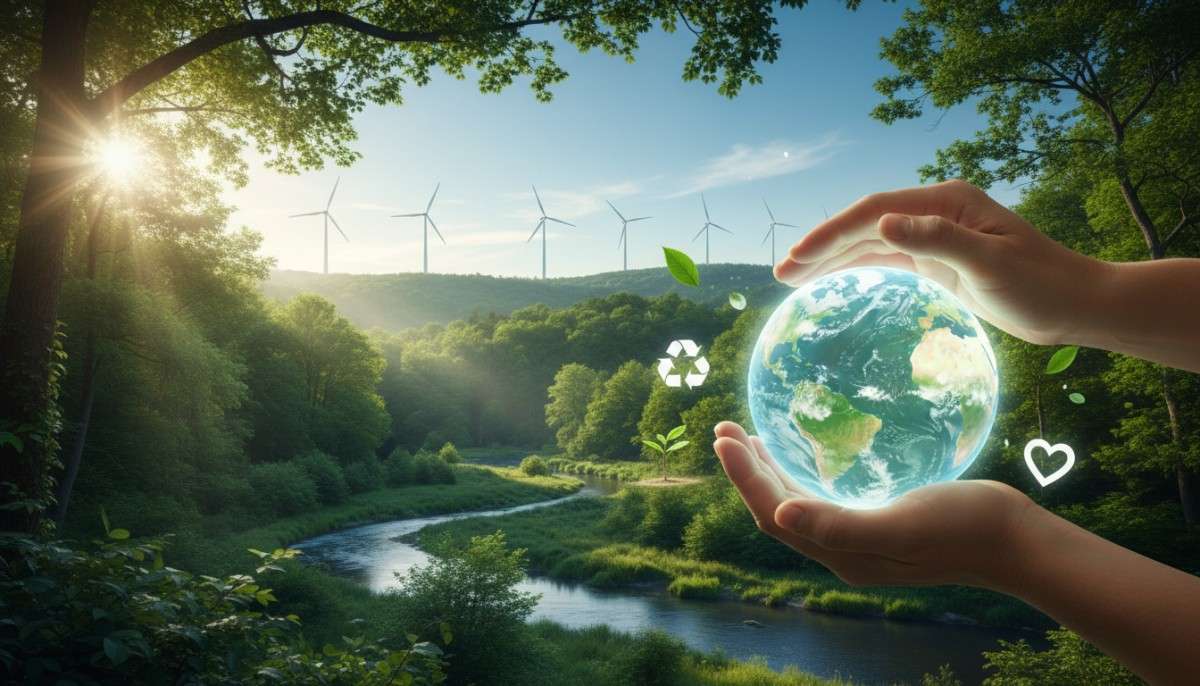
Protecting the environment means conserving natural resources, reducing pollution, and maintaining ecological balance. It covers everything from forests and oceans to reducing greenhouse gas emissions and promoting renewable energy. There’s a common misconception that environmental protection only involves governments or environmental groups. Every human activity affects the environment somehow. Buying packaged products, driving a car, wasting electricity, and even wasting food adds to environmental stress.
Imagine living in a house where no one cleans anything for years. Garbage piles up, air gets unhealthy, water gets contaminated, and eventually the house becomes unlivable. Earth works the same way. It’s amazing how nature can recover, but constant damage without enough recovery time pushes ecosystems to their limits. Because of rising temperatures and deforestation, many natural systems are approaching dangerous thresholds.
Creating a balance between nature conservation and economic development is also part of environmental protection. For modern societies to grow, they need industries, transportation, agriculture, and technology. Finding a way to support human progress without destroying forests, rivers, oceans, and wildlife habitats is the challenge. Sustainability is what we call this balance. Using resources wisely means future generations can enjoy clean air, fresh water, fertile land, and healthy ecosystems too.
Over time, the idea of environmental protection has evolved. Until a few decades ago, pollution was mostly visible like smoke and dirty rivers. We’re talking about climate change, biodiversity loss, renewable energy, environmental justice, and sustainable development today. Environmental problems don’t respect borders, so they’re a global problem. Thousands of miles away, pollution from one country can affect another.
Why environmental protection matters today
The planet is changing faster than many scientists predicted today, so environmental protection matters. We’re seeing more extreme weather events, sea levels rising, glaciers melting, and biodiversity declining. It’s been one of the warmest decades on record, according to recent environmental reports. Not only do these changes affect wildlife, but also human communities, agriculture, and water supplies.
Climate change makes environmental protection urgent. We release a lot of carbon dioxide when we burn fossil fuels. They trap heat like a blanket around the planet. The more we warm up, the stronger storms become, the longer droughts last, and the more unstable ecosystems become. Every year, millions of people are displaced and billions of dollars are wasted due to climate disasters.
There’s also resource depletion. There’s an unsustainable demand for natural resources like forests, freshwater, fertile soil, and minerals. Forests are especially vulnerable because they regulate climate, store carbon, and support countless species. There’s a recent report warning that rainforests are at breaking point from mining, agriculture, and industry.
Human health is also directly affected by environmental protection. Pollution causes respiratory diseases, contaminated water spreads illnesses, and toxic waste destroys ecosystems that provide food and water. Environmental problems often hurt vulnerable communities the most. The disease rate and environmental exposure are higher in places near industrial zones.
There’s good news: awareness is growing. Environmental protection is now a no-brainer for governments, businesses, and individuals. We need it to survive and prosper.
The Biggest Environmental Problems Facing the World
Climate Change and Global Warming
We’re facing one of the biggest environmental challenges of our time: climate change. Carbon dioxide emissions from fossil fuels, transportation, factories, and deforestation keep raising global temperatures. According to scientists, Earth’s average temperature has already risen significantly since pre-industrial times.
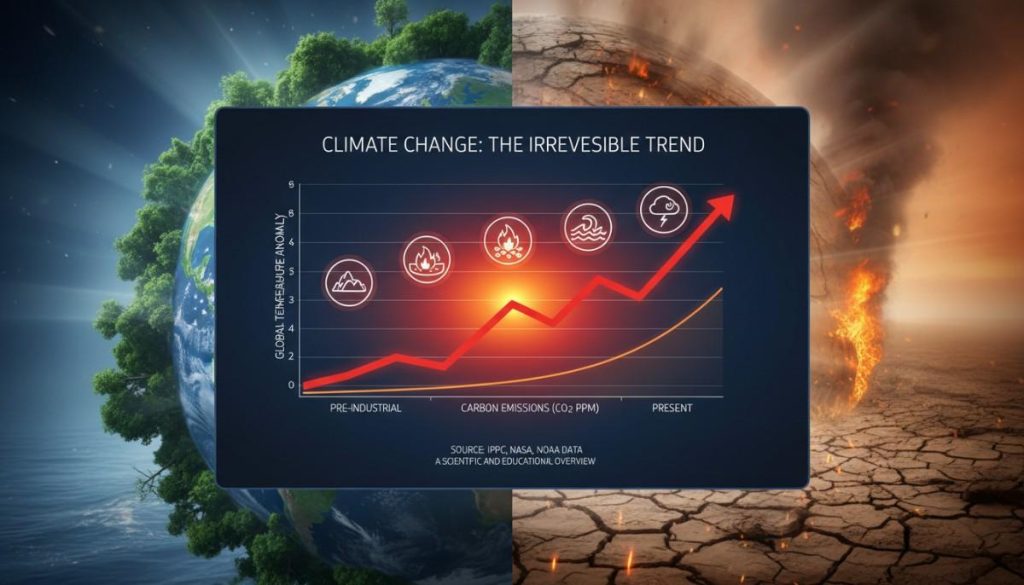
There’s a big impact on almost every aspect of life because of climate change. Farmers struggle with unpredictable rainfall, coastal cities face rising sea levels, and ecosystems are disrupted. Heatwaves are getting deadlier, hurricanes are getting stronger, and droughts are getting worse. We don’t have to worry about these problems in the future. Different parts of the world are experiencing them right now.
The world is trying to reduce emissions with renewable energy, clean transportation, and stricter environmental policies. Between 1990 and 2023, greenhouse gas emissions fell significantly, while renewable energy use increased. There’s still a lot of uneven progress to be made.
The good news about climate change is that there are already solutions. It’s cheaper and more efficient to use renewable energy. Many governments are setting ambitious climate targets, so electric vehicles are growing fast. Speed is the challenge. Delaying action could make recovery harder and more expensive in the future.
Deforestation and habitat loss
Forests are like the lungs of the planet. As well as absorbing carbon dioxide, they release oxygen, regulate rainfall, and support wildlife. Yet forests are disappearing at an alarming rate. The main causes of deforestation are agriculture, mining, logging, and infrastructure.
Forest loss has increased in Indonesia due to mining and agriculture. As a result of combined climate stress and deforestation, scientists say the Amazon rainforest may be approaching ecological tipping points. Getting rid of forests hurts biodiversity a lot. As a result, animals lose their habitats, ecosystems become unstable, and indigenous communities get displaced.
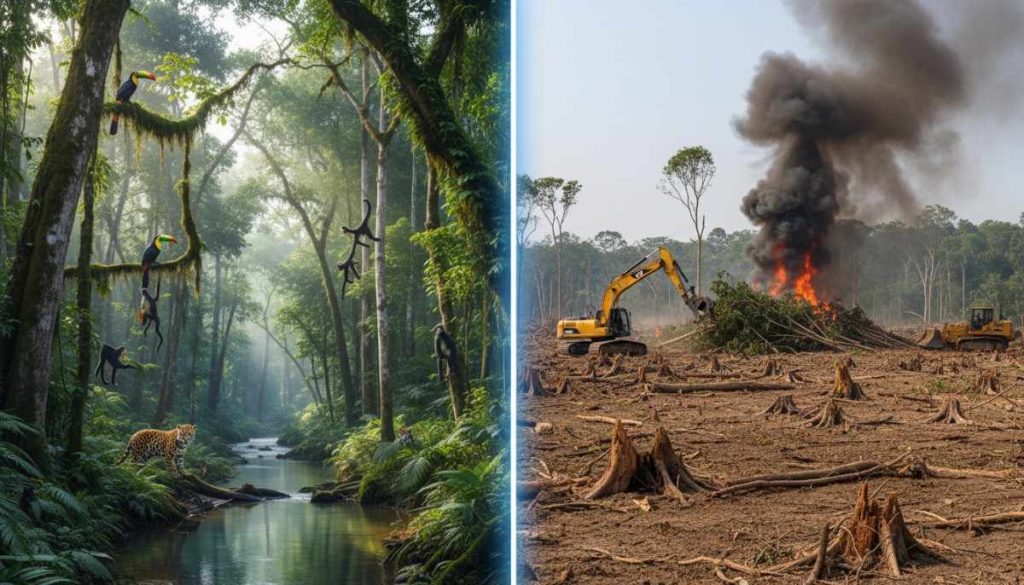
It’s interesting to see that there are also positive examples. Brazil’s Atlantic Forest recently achieved its lowest deforestation rate in four decades due to strong environmental policies and public action. When governments, communities, and organizations work together, environmental protection can succeed.
There’s more to forests than trees. Rainfall patterns, temperature regulation, and global carbon cycles are all influenced by them. You can’t expect a machine to run smoothly if you take out critical parts.
Plastic pollution and waste
Plastic pollution has become one of the biggest environmental problems. We’re polluting oceans, rivers, beaches, and even remote forests with plastic waste. The biggest contributors are single-use plastics like bottles, bags, and packaging.
Durability is the problem with plastic. The decomposition of many plastic products takes hundreds of years. As they break down, they make microplastics that pollute water, soil, and food. Plastic is often mistaken for food by marine animals, causing them to get injured or die.
There’s a problem with waste management in many countries. E-commerce packaging, fast fashion, and disposable products contribute a lot to pollution. It’s becoming more and more common for environmental groups to call for stricter regulations, better recycling systems, and less plastic.
There’s also a role for consumers. It’s easy to reduce environmental pressure if we carry reusable bags, avoid disposable plastics, and buy sustainable products. At first, it may seem insignificant, but millions of people making better choices can make a big difference.
Water pollution and scarcity
Millions of people face water-related challenges, but clean water is essential for life. Plastic debris, industrial waste, agricultural chemicals, and sewage pollute rivers, lakes, and oceans. Meanwhile, climate change increases drought risks and reduces freshwater availability.
Agriculture, energy production, public health, and economic stability are all affected by water scarcity. There’s often conflict, migration, and a declining standard of living in communities with water shortages. Furthermore, polluted water spreads diseases and damages fisheries and biodiversity ecosystems.
Worldwide, industrialization has contaminated water a lot. Agricultural runoff carries pesticides and fertilizers into rivers from factories. Pollutants like these harm aquatic life and reduce water quality.
It takes better infrastructure, stronger regulations, and sustainable consumption practices to protect water resources. Water conservation at home may seem simple, but collective efforts can make a huge difference.
Renewable Energy and Green Technology
Solar and Wind Energy Expansion
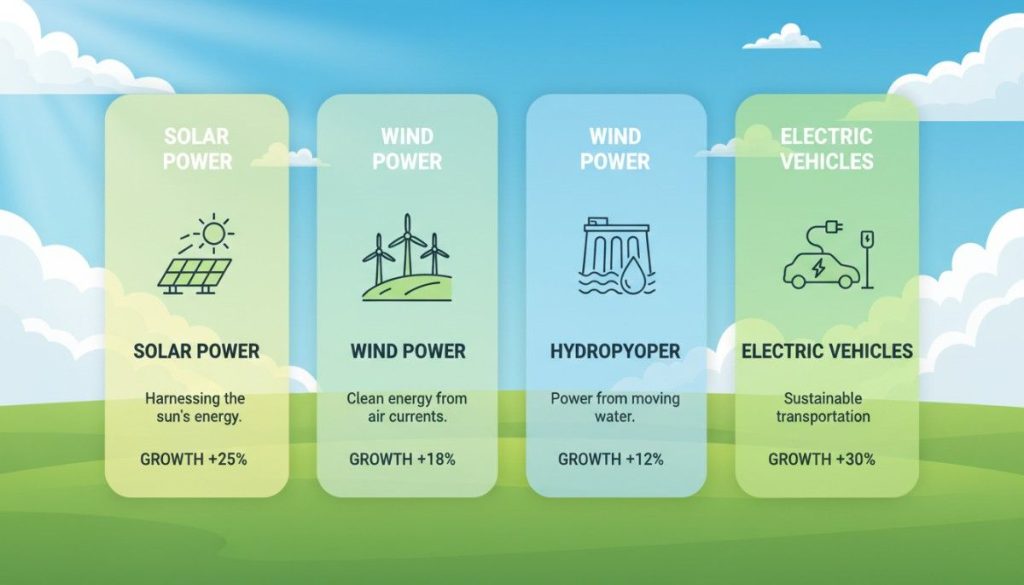
Environmental protection’s biggest success story is renewable energy. Globally, solar and wind power have grown rapidly in the last decade. The capacity of renewable energy reached record levels in 2025, according to recent statistics.
We’re getting more affordable and efficient with solar and wind power. Renewable energy reduces emissions and fossil fuel dependence, so countries are investing heavily in it. Large-scale renewable energy expansion is happening in China, Europe, India, and the U.S.
Electricity generation has historically been a big source of carbon emissions, so renewable energy is important. Replace coal and gas power plants with clean alternatives to reduce pollution and greenhouse gas emissions.
Economic opportunities are also created by renewable energy. Green industries create jobs in manufacturing, installation, maintenance, and research. Clean energy could be one of the biggest economic changes of the century, according to many experts.
Electric vehicles and Sustainable Transportation
Air pollution and greenhouse gas emissions are heavily influenced by transport. We rely on fossil fuels for cars, trucks, planes, and ships. Because electric cars produce less emissions than gasoline-powered cars, they’re emerging as a major solution.
Across the world, governments are investing in charging infrastructure, subsidizing electric vehicles, and taxing them. To reduce traffic pollution, cities are improving public transportation and promoting cycling and walking.
It’s not easy to switch to sustainable transportation. The production of batteries requires minerals like lithium and cobalt, which raises ethical questions. In order to protect the environment, clean energy solutions can’t create new problems.
Still, tech keeps improving battery efficiency, recycling methods, and energy storage. Transportation will probably get cleaner, smarter, and more sustainable in the future.
Government Role in Environmental Protection
International climate agreement
Governments play a crucial role in environmental protection because big problems require coordinated action. Investing in sustainable development and reducing emissions is encouraged by international agreements like the Paris Climate Agreement.
The world is setting ambitious climate targets now. As part of its climate commitments, India increased renewable energy and emission reduction goals. Across Europe, renewable energy use is expanding and climate regulations are getting tougher.
As a result of these agreements, accountability is created and global cooperation is encouraged. Climate change is a shared problem, so no country can solve it alone. Collaboration helps nations share technology, funding, and environmental strategies.
Environmental Laws and Regulations
Pollution is controlled, wildlife is protected, and natural resources are conserved thanks to environmental laws. Limiting industrial emissions, preventing illegal logging, and requiring sustainable practices can be done with regulations.
There are often measurable improvements when you have strong environmental policies. How effective enforcement and environmental governance can protect ecosystems is demonstrated by Brazil’s recent reduction in Atlantic Forest deforestation.
It’s not uncommon for regulations to face political and economic opposition. Some industries don’t like stricter environmental rules because they’re expensive. One of the biggest challenges for policymakers is balancing economic growth and environmental protection.
Everyday Actions Individuals Can Take
Reducing waste and recycling
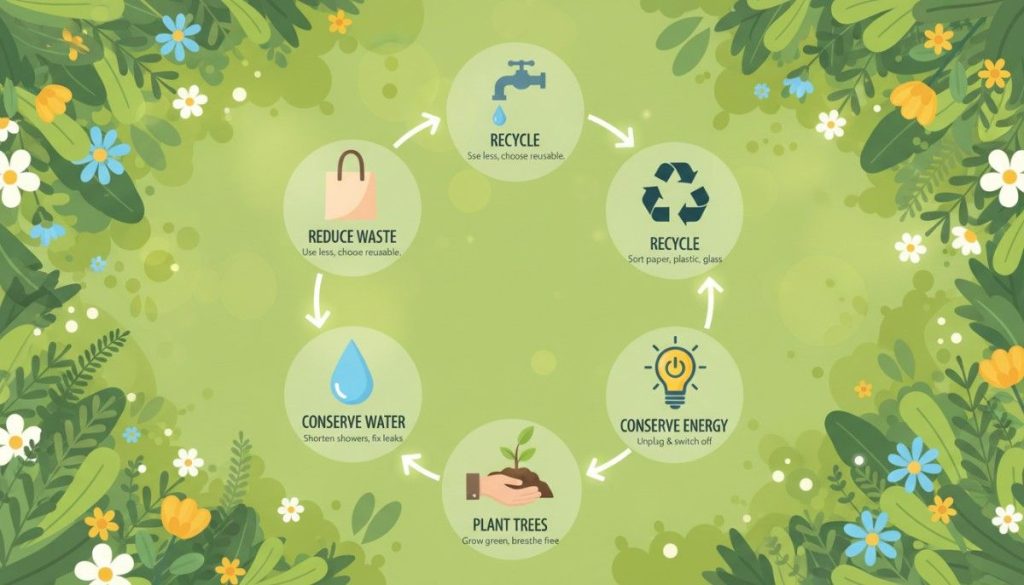
Individual actions may seem small, but collective behavior has a huge impact on the environment. The easiest way to protect the environment is to reduce waste. It reduces landfill waste and conserves natural resources by recycling paper, plastic, glass, and metal.
Reusing products, avoiding unnecessary packaging, and supporting sustainable brands can also reduce waste. The idea is simple: waste less and consume less. The disposable society puts a lot of pressure on the environment.
Conserve energy and water
Saving energy and water reduces environmental damage and lowers household bills. Using energy-efficient appliances, fixing leaks, and reducing unnecessary consumption all contribute to sustainability.
Think of millions of households making the same environmentally responsible choices every day. As a result, the combined effect is pretty powerful.
The future of environmental protection
Innovations That Could Save the Planet
Environmental protection will probably depend heavily on innovation in the future. A new generation of technologies is reducing pollution and improving sustainability. A few examples are advanced battery systems, carbon capture technologies, biodegradable materials, and artificial intelligence tools.
Globally, renewable energy growth keeps accelerating, offering hope for cleaner energy. They’re also trying to restore ecosystems, improve sustainable agriculture, and protect biodiversity.
Recent years have taught us that environmental progress is possible. In some regions, forest protection has worked, renewable energy adoption is up, and public awareness keeps growing. There’s no need to go back to the past when it comes to environmental protection. It’s about building a smarter future where economic development and nature coexist.
Conclusion
One of the biggest challenges of the modern era is environmental protection. Ecosystems and human societies are under threat from climate change, pollution, deforestation, and resource depletion. There’s a positive side to the story too. The popularity of renewable energy is on the rise, environmental awareness is on the rise, and technology is creating new opportunities for sustainability.
Taking action on the environment is a government, business, and individual responsibility. Investing, implementing policies, and changing habits all contribute to the planet’s future. Human life depends on clean air, water, food, and resources. Taking care of it isn’t just about the environment. Taking care of it is a responsibility related directly to human survival, economic stability, and the well-being of future generations.
Tomorrow’s world will be shaped by the choices we make today. Environmental protection isn’t optional anymore. It’s a must.
FAQs
1. What is environmental protection?
Protecting the environment means conserving natural resources, reducing pollution, and maintaining ecological balance.
2. Why is environmental protection critical?
It’s important to protect the environment because it’s important for preserving clean air, water, forests, biodiversity, and climate stability.
3. What are the biggest environmental problems today?
Climate change, deforestation, plastic pollution, biodiversity loss, and water scarcity are all major problems.
4. How can individuals protect the environment?
By reducing waste, recycling, conserving energy and water, using public transportation, and supporting sustainable products, people can help.
5. What role does renewable energy play in environmental protection?
By replacing fossil fuels with cleaner energy like solar and wind, renewable energy reduces greenhouse gas emissions.