


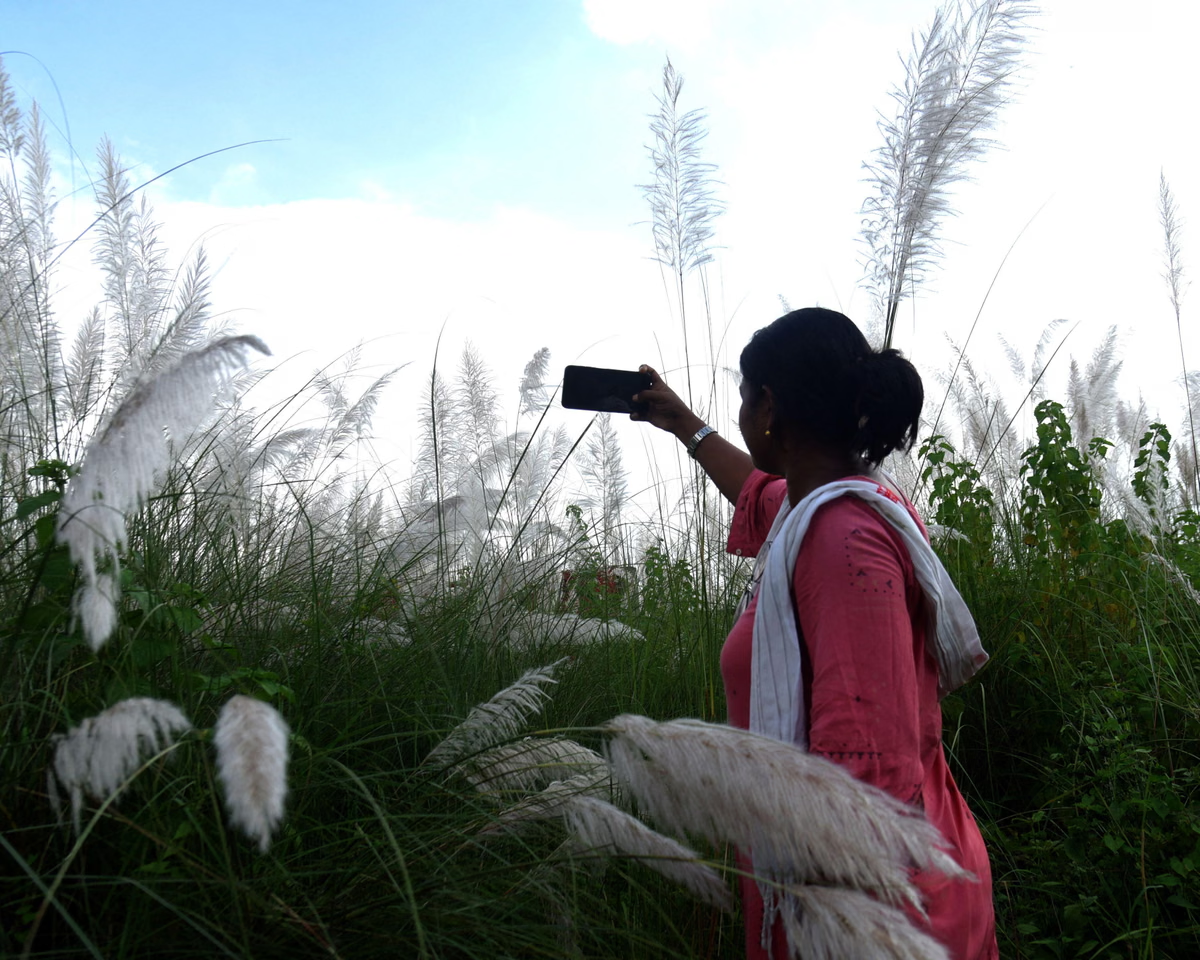
The World Bank is encouraging developing nations to adopt specialized ‘small AI’ models capable of running on standard mobile devices, even in areas with limited connectivity. By utilizing narrow datasets for specific tasks, these localized AI solutions aim to deliver essential information where broader, Silicon Valley-developed consumer products may not be as effective. Small AI uses specialised models that are trained using narrower datasets for a specific purpose. “Small AI would be available in a local setting, with low connectivity, and in the local language of the community – and tends to be available on your mobile phone.”. And this is where what we describe as ‘small AI’ comes in.
Paschal Donohoe, the World Bank’s chief knowledge officer, noted that this technology could drastically compress economic development timelines. He suggested that growth cycles which historically required centuries could potentially be achieved within mere decades through strategic integration of these tools.
Donohoe, a former Irish finance minister, illustrated the necessity of this approach with the AgriConnect initiative in India. The project assists small-scale farmers by providing critical soil analysis directly in their native language. Because global agricultural experts are insufficient to serve every small farm individually, Donohoe argues that accessible, phone-based AI acts as a vital bridge to fulfill these information demands.
This initiative is currently a primary topic at the World Bank and International Monetary Fund’s annual meetings in Bangkok, Thailand.
Kristalina Georgieva, managing director of the IMF, emphasized during a panel that the successful deployment of AI relies on foundational infrastructure. She stated that governments must prioritize access to electricity and digital tools while fostering an environment that protects citizens from potential risks.
Despite the potential benefits, the World Bank’s August report highlighted significant hurdles, noting that nearly one-third of rural schools in sub-Saharan Africa lack reliable electricity and over two-thirds suffer from inconsistent internet. Georgieva suggested that with the right basics in place, AI adoption could become as democratic and widespread as cellular phone technology. Protect against bad actors so that adoption can work, and the government should be able to give some safety.
However, the transition also brings labor market challenges. Georgieva warned that approximately 40% of global jobs face potential augmentation or elimination due to AI. She expressed particular concern for young people entering the workforce, who often rely on entry-level, routine positions to gain experience and build careers, but may find those roles automated away in the future. With the impact particularly acute for young people at the start of their careers, georgieva warned that over time 40% of jobs worldwide were likely to be either augmented or eliminated by AI. “When we look at this, what we recognise is that the people to worry about, first and foremost, are young people that are coming into the labour market,” she said. “Normally they would get into these routine, repetitive jobs and then go up the ranks. But if they’re gone, I don’t think any young person wants to be a barista in a coffee shop as a professional future.”.
Under the leadership of president Ajay Banga, the institution is heavily focused on leveraging private-sector investment to drive development. Donohoe reported that the World Bank has successfully mobilized $120bn in private capital over the past year through various financial instruments and guarantees.
This push for private capital remains critical as several nations, including the UK and the US, have recently reduced their official aid budgets. By collaborating with governments and the private sector, the bank aims to solidify the connection between capital mobilization, job creation, and economic advancement for the countries they support.