

Ten years ago, photographer Giada Ripa discovered a forgotten leather-bound album in her family home in Piemonte, northern Italy. Contained within were 53 black-and-white photographs of Japanese “native types,” a collection that reflected the 19th-century colonial perspective on Japanese culture and life. The images were the work of Felice Beato, the first foreign photographer to reach Japan in 1863, capturing the final moments of the Edo period as it transitioned into the Meiji era. The first foreign photographer to arrive in Japan in 1863 at the end of the Edo period and on the eve of the Meiji era, it turned out we had a treasure in our hands: it was an album of photographs by Felice Beato. My dad called to say he had found these amazing images hidden under piles of maps and stuff in an attic in our family home in Piemonte, northern Italy, t en years ago. But I couldn’t understand why it had ended up in our house, finding this album was amazing.
The visual encyclopedia of 19th-century Japan
Upon his arrival, Beato documented a Japan largely closed to the outside world. Through his work with diplomatic and military delegations, he established a portrait studio where he photographed geishas, fishers, samurai, teachers, and government officials. These images effectively served as a visual encyclopedia of the era, providing the western world with its first authentic glimpse into the daily life and diverse professions of the Japanese people. I have always worked with historical archives. I needed to know and decided to look for clues.
The connection to Mathilde Ruinart
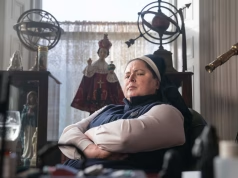
Ripa’s research into the album’s provenance led her to an ancestral manuscript written by Mathilde Ruinart, a painter and intellectual who had married the first Italian ambassador to Japan. The couple traveled to Japan in 1867, tasked with securing silkworms to support the European silk industry during a period of agricultural crisis. Ruinart’s diary detailed her experiences, including stories of her riding through restricted regions while armed to protect herself against bandits. Ripa eventually discovered that Ruinart and Beato were not only in the same place at the same time but were likely acquaintances, explaining how the rare photograph collection entered the family archive.
Bridging history through The Yokohama Project
This discovery birthed The Yokohama Project, an artistic dialogue spanning 150 years that connects the perspectives of Beato, Ruinart, and Ripa. For the first phase of this project, Ripa traced their footsteps using large-format film to capture the essence of their journey. The second chapter expanded to document 40 contemporary Japanese professions, ranging from the traditional geisha and shamisen player to modern archetypes. Ripa noted the intensity of this process, recalling a fishmonger who arrived with €1,000 worth of red snapper, demanding a portrait within 10 minutes before the perishable inventory spoiled—a significant challenge when working with the deliberate speed of large-format photography. She had accompanied her husband – the journey took four months – and they stayed for four years.
Karen and the art of modern shibari
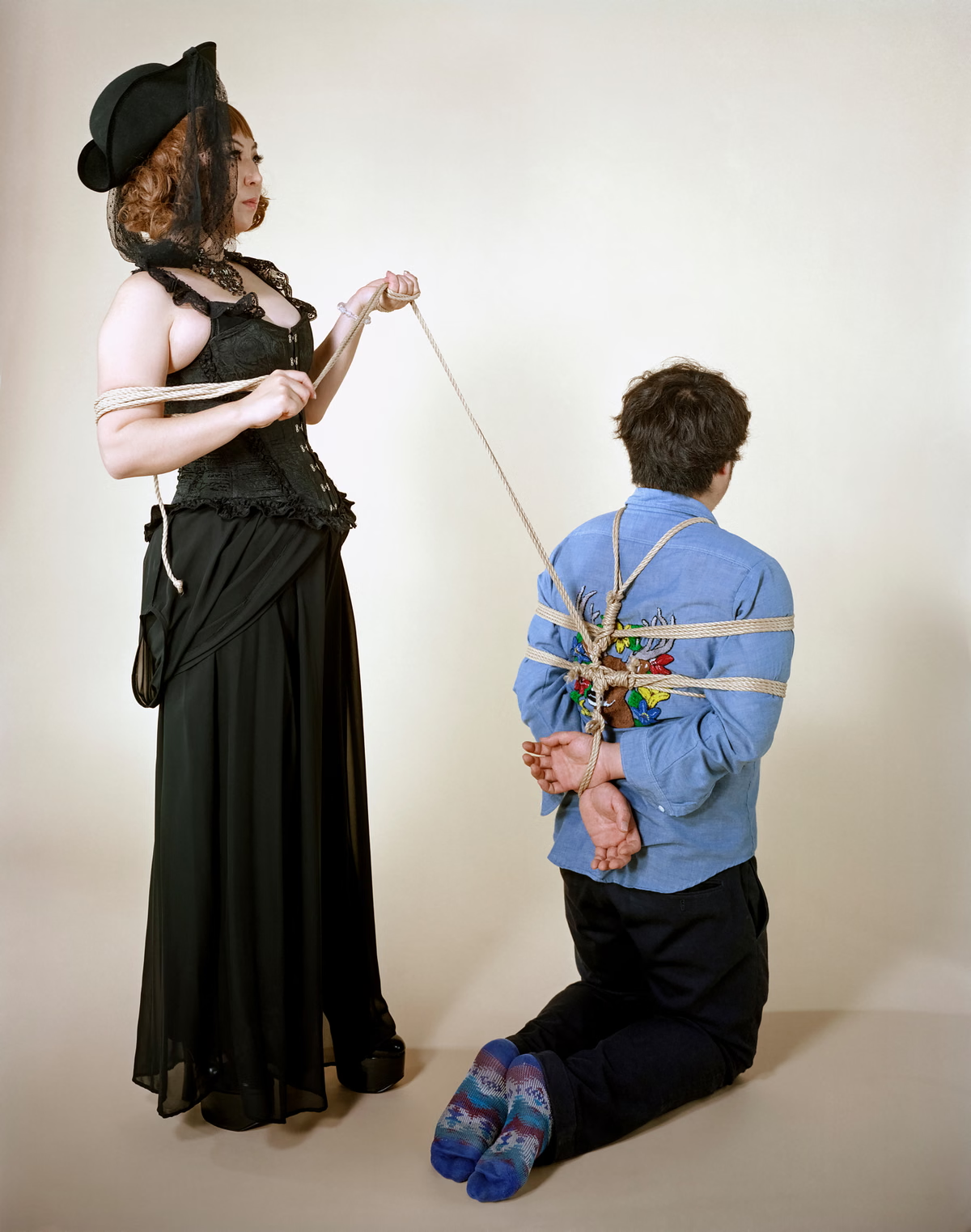
One of the most striking portraits in Ripa’s modern collection features Karen, a Japanese dominatrix and “rope artist.” Karen practices shibari, a technical and visual form of binding that traces its roots to the methods samurai used to secure prisoners. Utilizing kinbaku, or tight binding, Karen works primarily with male clients in high-pressure professional roles. These sessions offer clients a sanctuary where they can step away from their everyday public identities. The practice is inherently therapeutic, functioning as a space for conversation and emotional expression rather than purely physical interaction. Ripa’s work continues to explore how these ancient methods of constraint and display inform the way contemporary individuals present themselves to the world.
Artist biography and perspective
- Born in London, 1974.
- High point: Her first museum solo exhibition, Displacement, held at the Moscow Museum of Modern Art in 2011.
- Top tip for artists: Always pursue the subjects and narratives that genuinely ignite your curiosity.